Do Ut Des: The Roman System of Divine Exchange
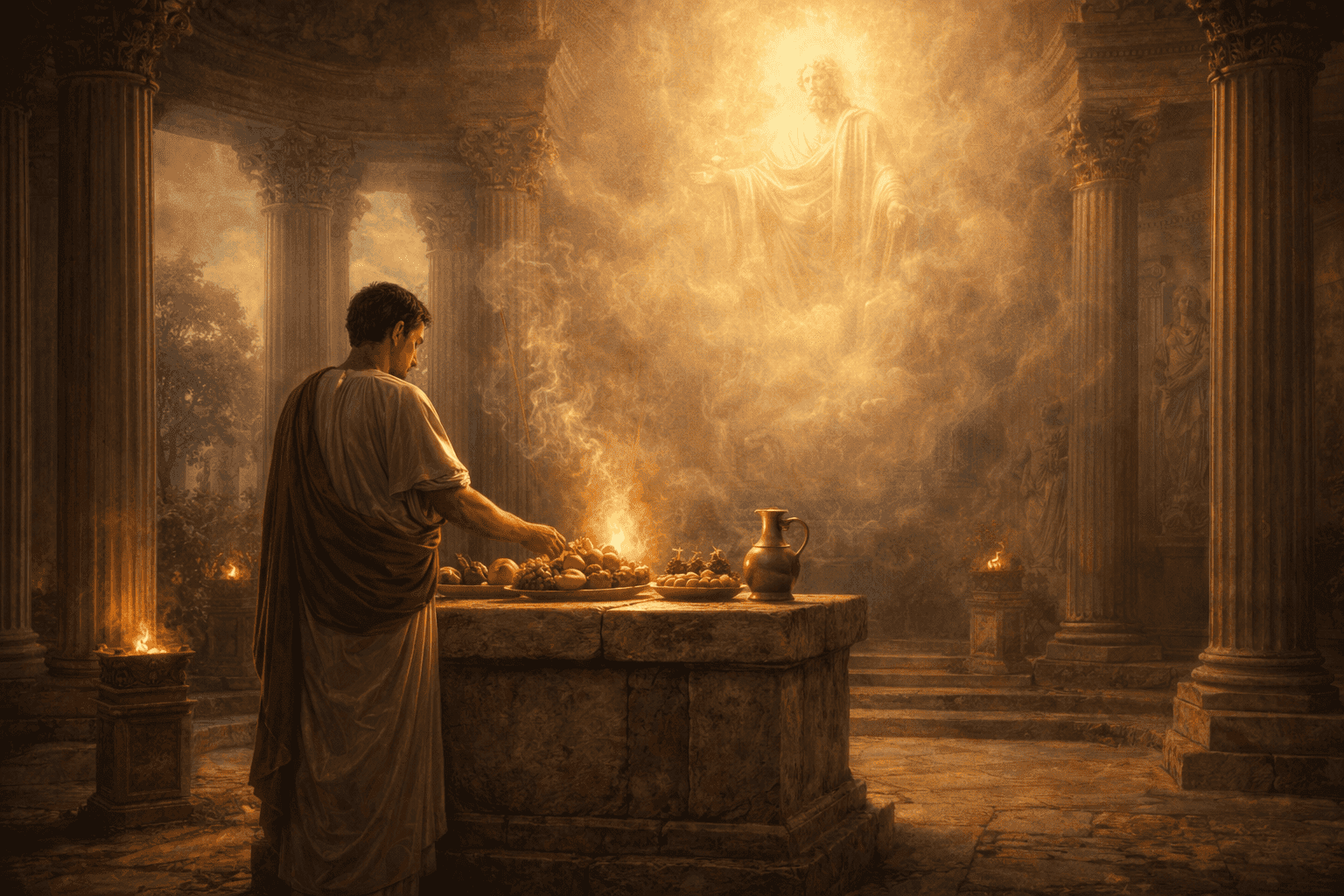
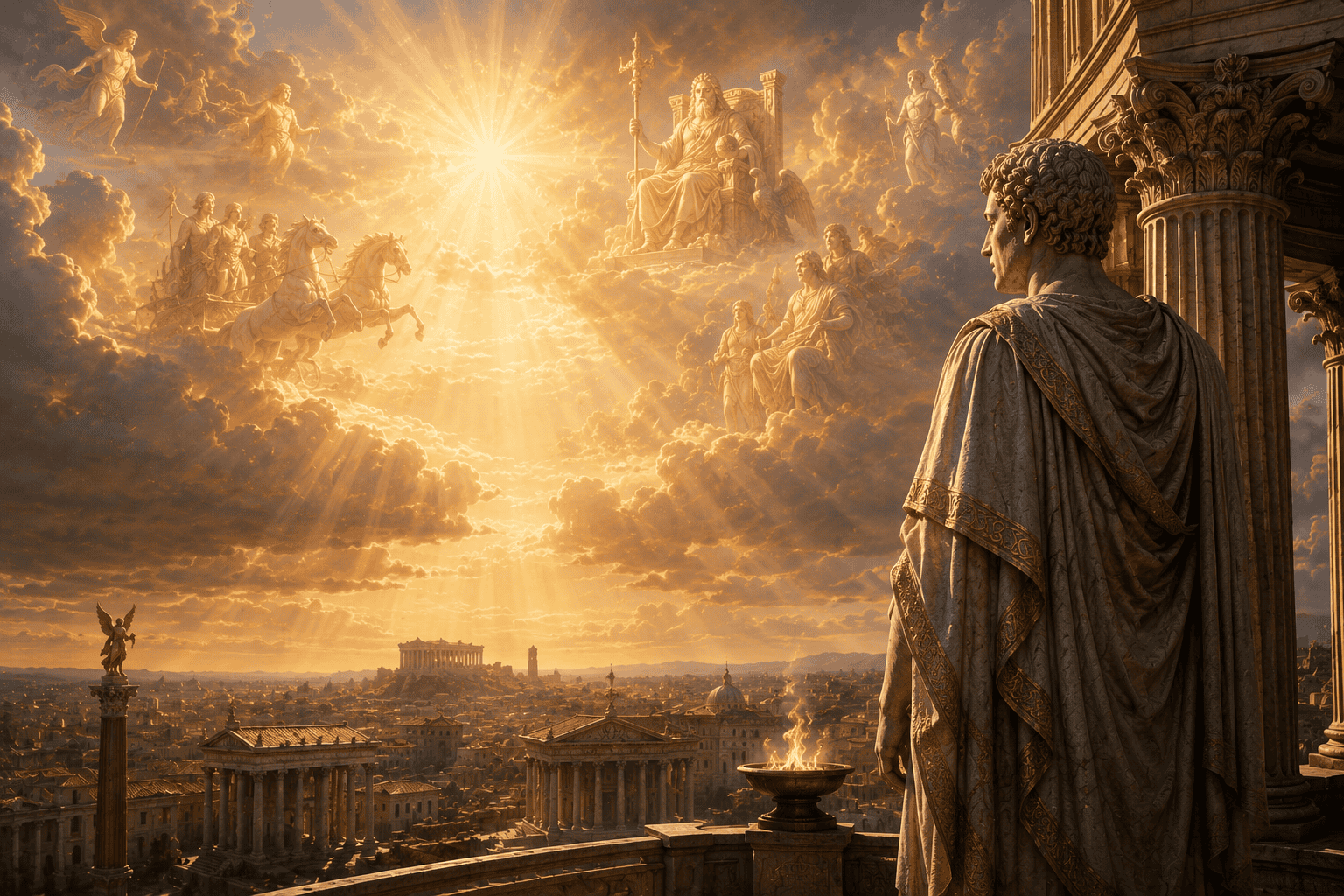
Roman priest making an offering at an altar with subtle divine presence above, representing the concept of do ut des.

Roman religion wasn’t built on faith — it was built on exchange. Do ut des, “I give so that you may give,” was the principle that governed every offering, every sacrifice, and every vow Romans made to their gods. Understanding it changes how the entire system looks.
Rome and the Etruscans: The Forgotten Roots of Roman Religion

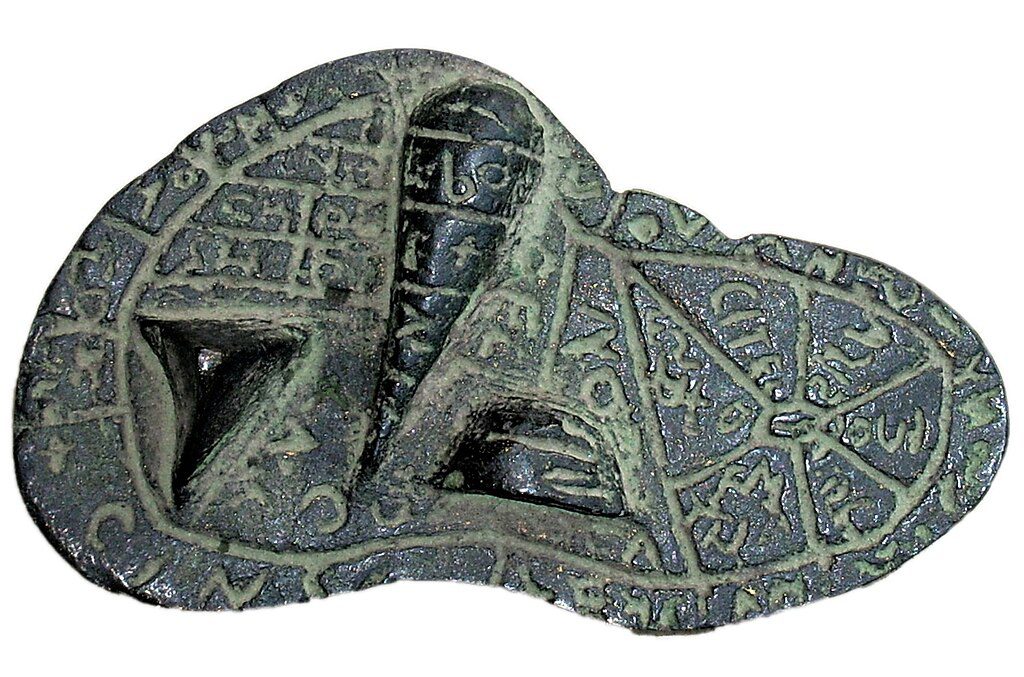
Etruscan bronze liver model from Piacenza used by priests for haruspicy, showing inscribed sections for interpreting divine signs

The Etruscans gave Rome its divination practices, its concept of sacred space, its household religion, and its understanding of fate. They also gave Rome almost none of its mythology — which is why their contribution is so easy to overlook, and so important to understand.

The Roman Constellations: Myth Written in Stars

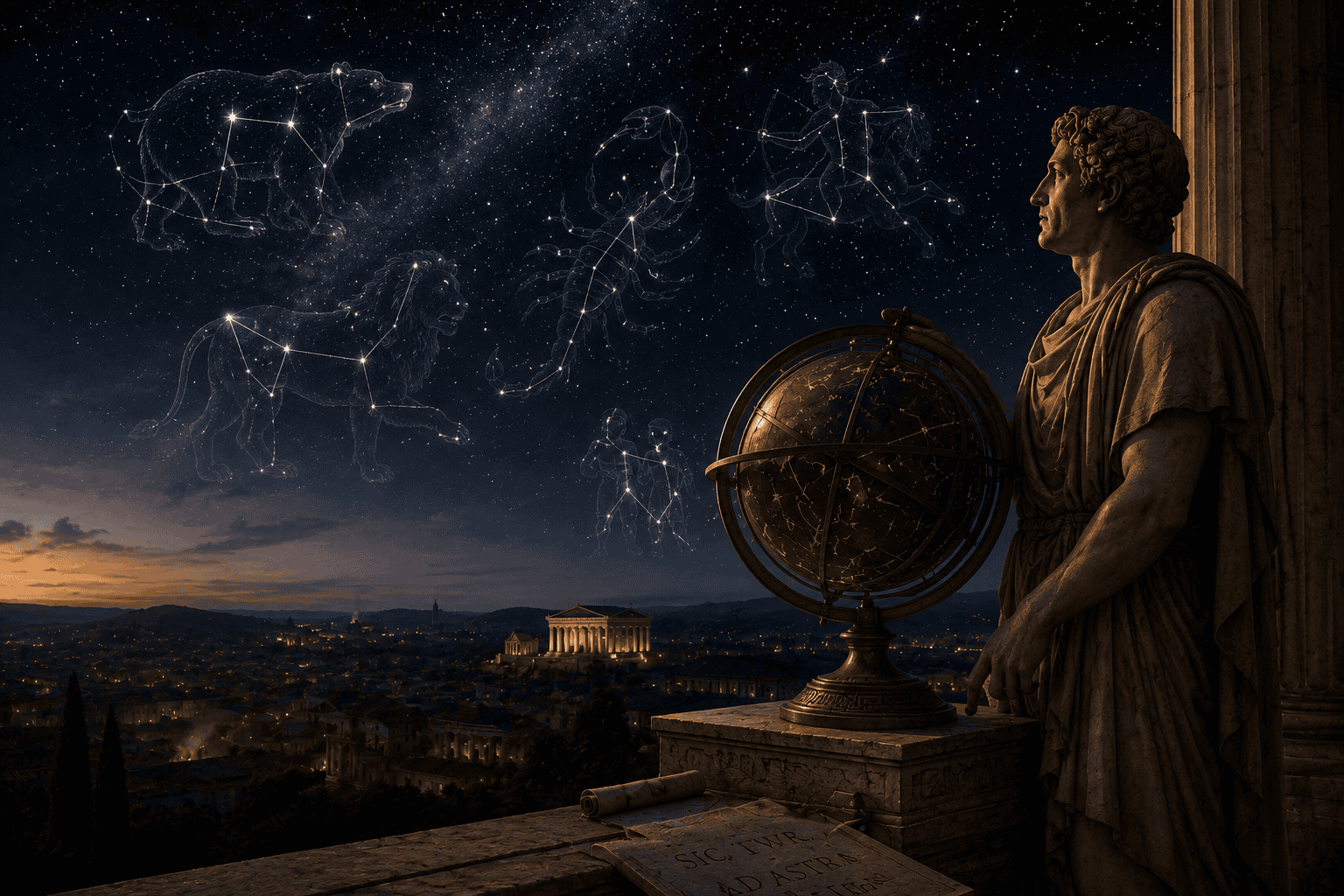
Roman astronomer standing beside an armillary sphere under a starry sky filled with mythic constellations above ancient Rome.

The names we give the constellations today — Orion, Leo, Virgo, Scorpius, Gemini — are Latin. The sky we look at is, in a real sense, a Roman sky. But the Romans didn’t just rename what the Greeks catalogued. They embedded the stars in myth, agricultural timing, imperial politics, and one of the most ambitious poems in Latin literature.