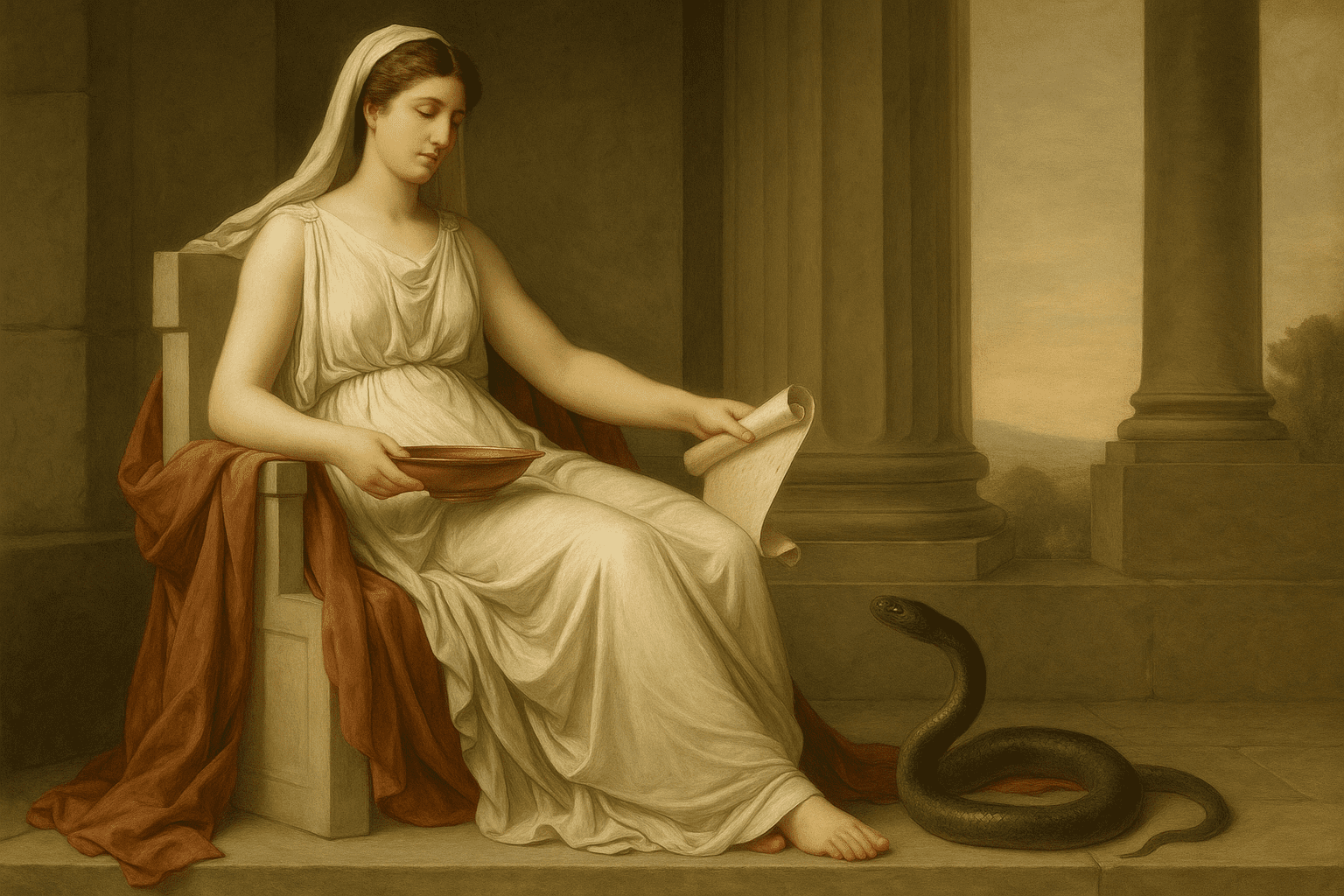
Cardea: Roman Goddess of Door Hinges and the Protection of the Home
The Romans had a goddess specifically for door hinges. Not doors in general — hinges. The specificity tells you everything about how Roman religion worked.
Gods, Goddesses, and Ancient Legends
The Romans had a goddess specifically for door hinges. Not doors in general — hinges. The specificity tells you everything about how Roman religion worked.
Ancient sources couldn’t agree on whether Fauna was Faunus’s wife, his daughter, or simply another name for Bona Dea. The confusion is itself informative — she was old enough that the traditions had blurred.
Her statue stood at the altar of the goddess of pleasure, with her mouth bound and sealed. No one explained why. That was the point.
Her real name was considered too sacred to speak. Men were not permitted to know it. In 62 BCE, a man broke into her most sacred ceremony — and it nearly destroyed Julius Caesar’s marriage, ended Cicero’s political career, and destabilized the late Republic.
She invented the Latin alphabet, had two aspects governing birth position, and banned leather from her festival. One of Rome’s most quietly consequential goddesses.
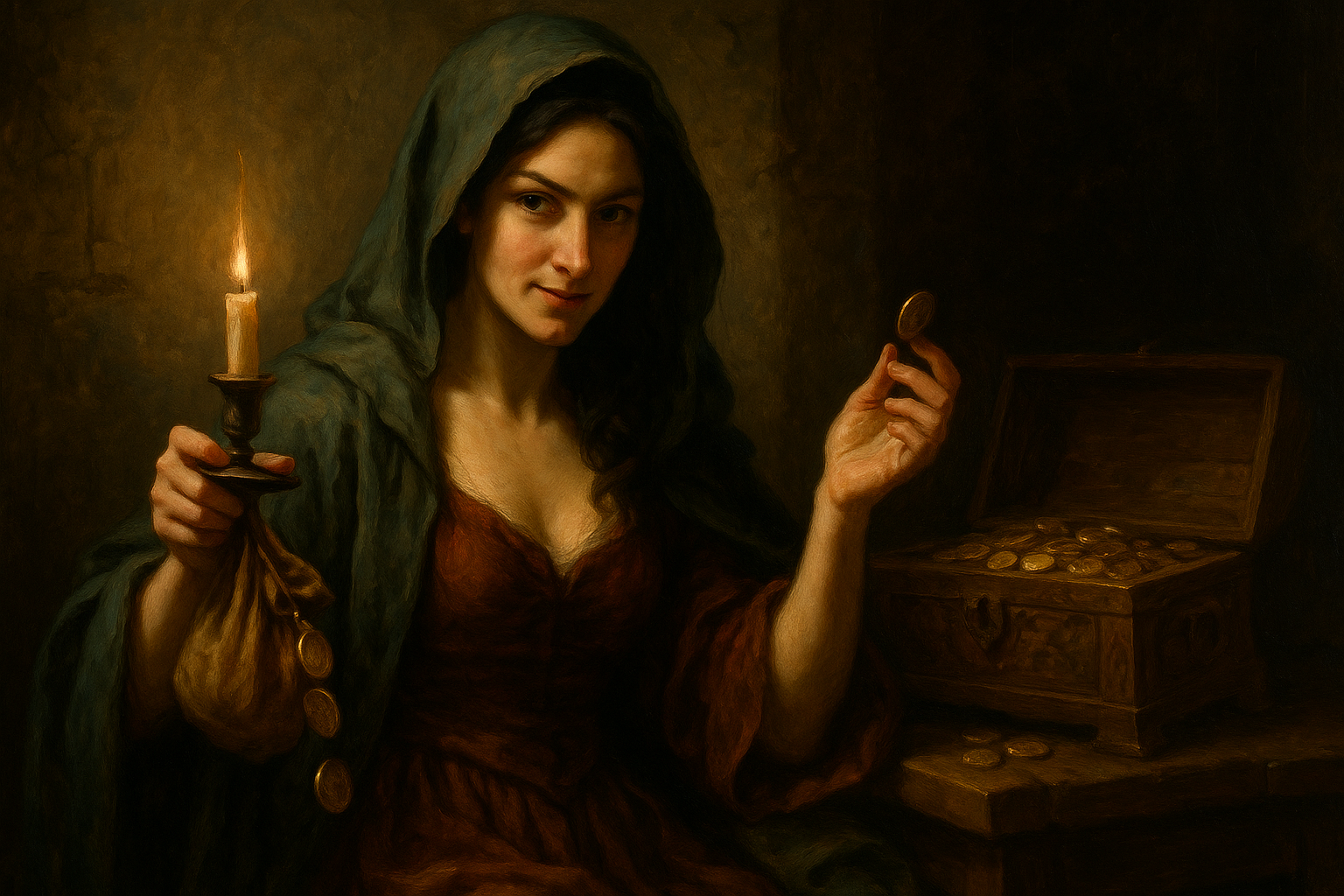
Laverna was the goddess you prayed to when you needed your crime to go undetected and your reputation to stay clean. The Romans found her funny, which says something about how they understood honesty.
Her priesthood kept records for five centuries. The hymn they sang to her is one of the oldest surviving texts in Latin. Almost no one knows her name.
Every time Rome nearly tore itself apart — class wars, civil wars, dynastic murders — it built a temple to Concordia. The goddess of harmony was most needed when harmony had already failed.
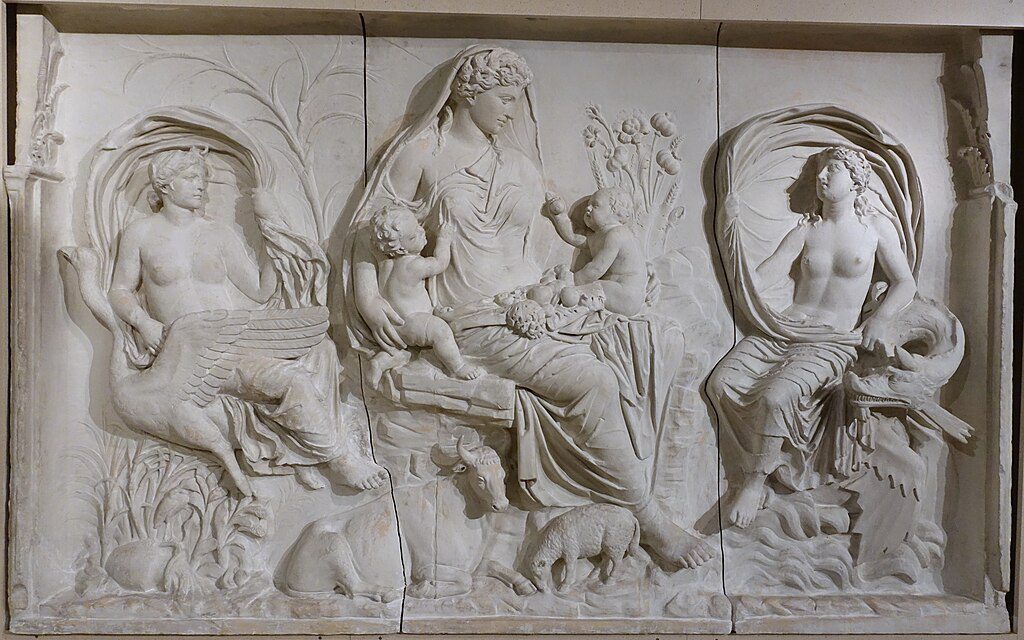
Augustus built his entire political program around her. The monument he raised in her honor still stands in Rome. Pax was never just an ideal — she was a theological argument about who deserved to rule.
She opened the gates of heaven every morning without fail for the entirety of Roman civilization. The Romans found this reliable enough to build a theology around, but not quite enough to build a temple.