Roman Mythology Creatures and Beings: A Complete Guide*
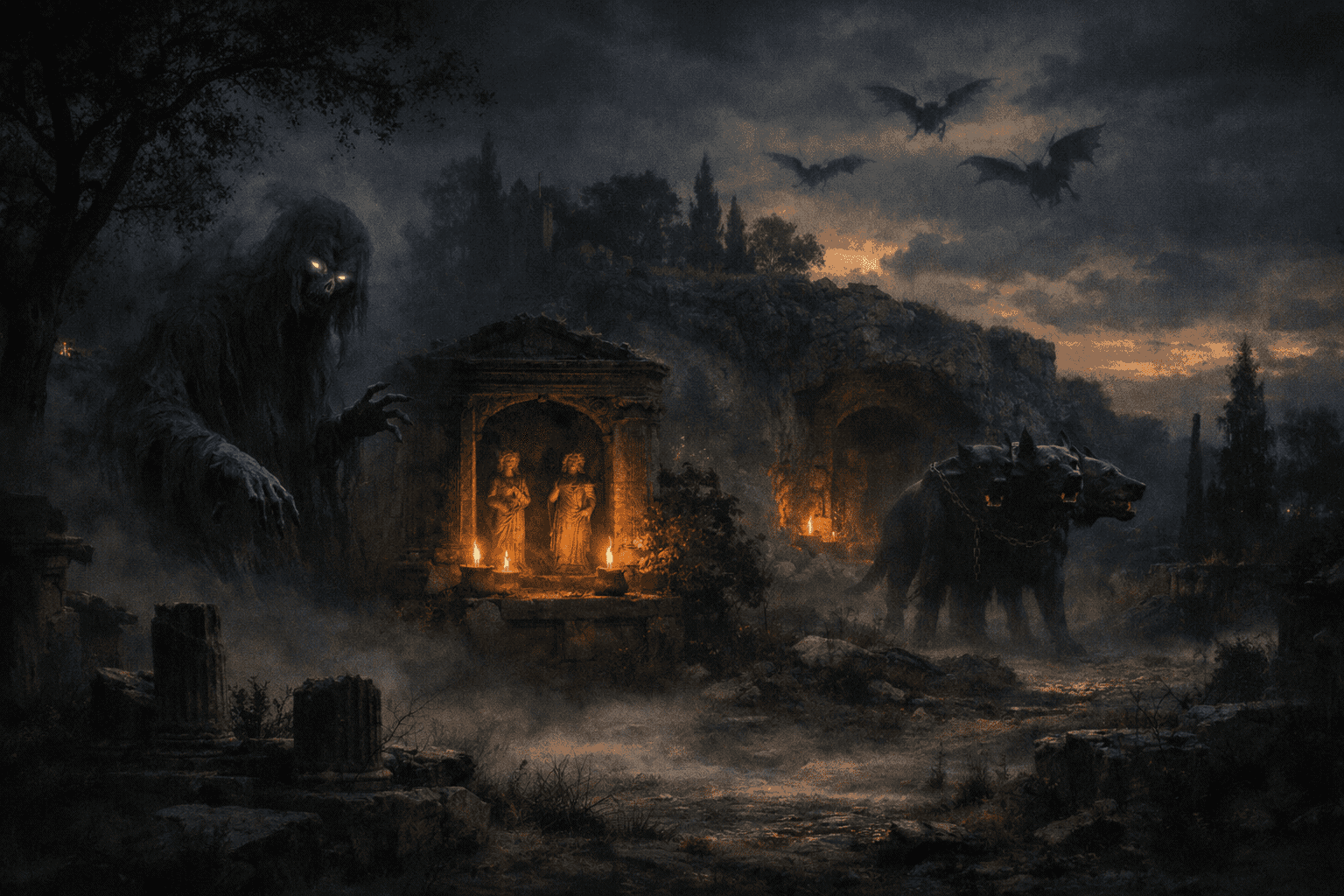
Discover Roman mythology creatures and beings, from Lemures and Lares to Cerberus, Charon, and the spirits of the dead.
Discover Roman mythology creatures and beings, from Lemures and Lares to Cerberus, Charon, and the spirits of the dead.
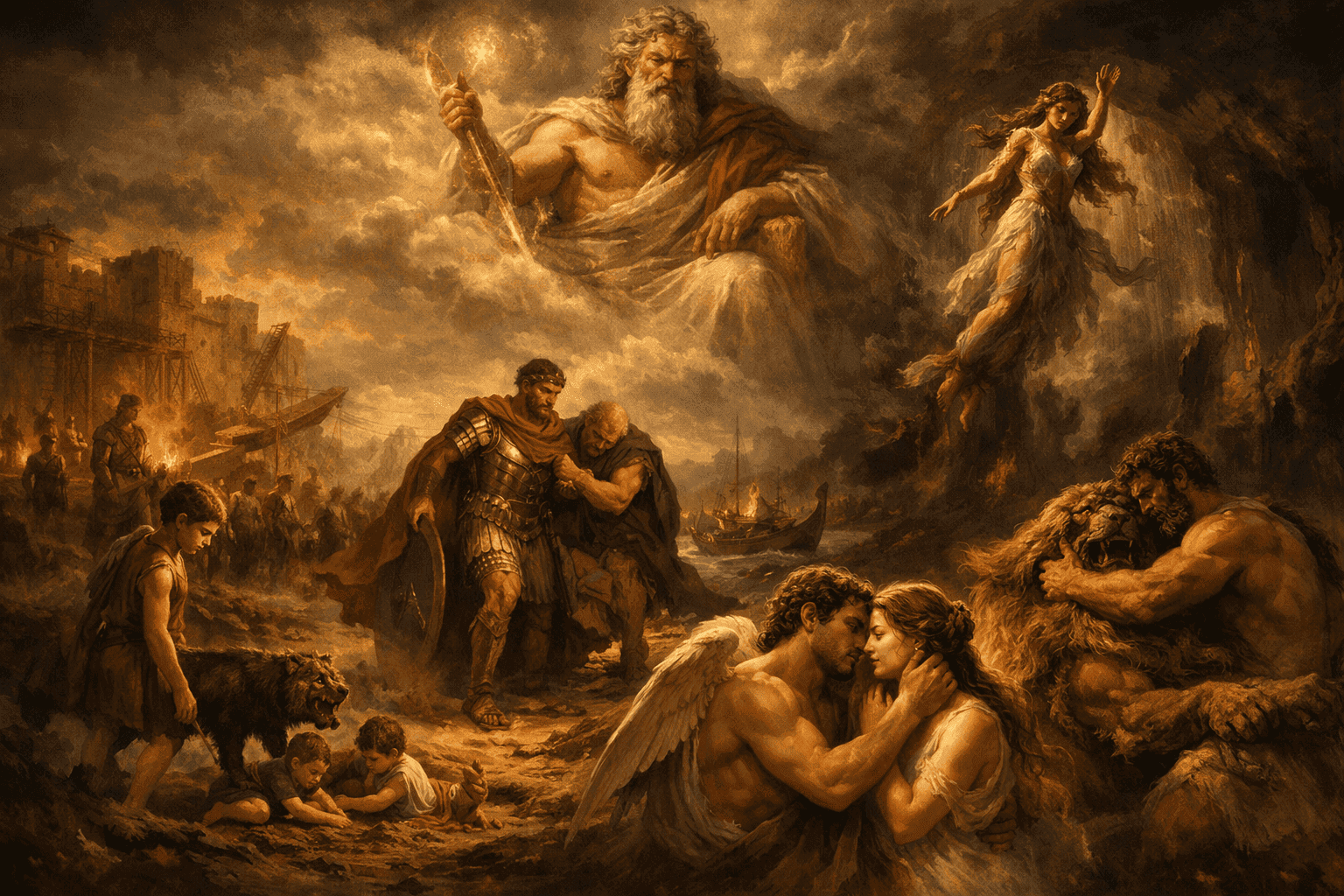
Explore the major Roman myths in one complete guide, from Romulus and Remus to Hercules, Aeneas, and Proserpina.
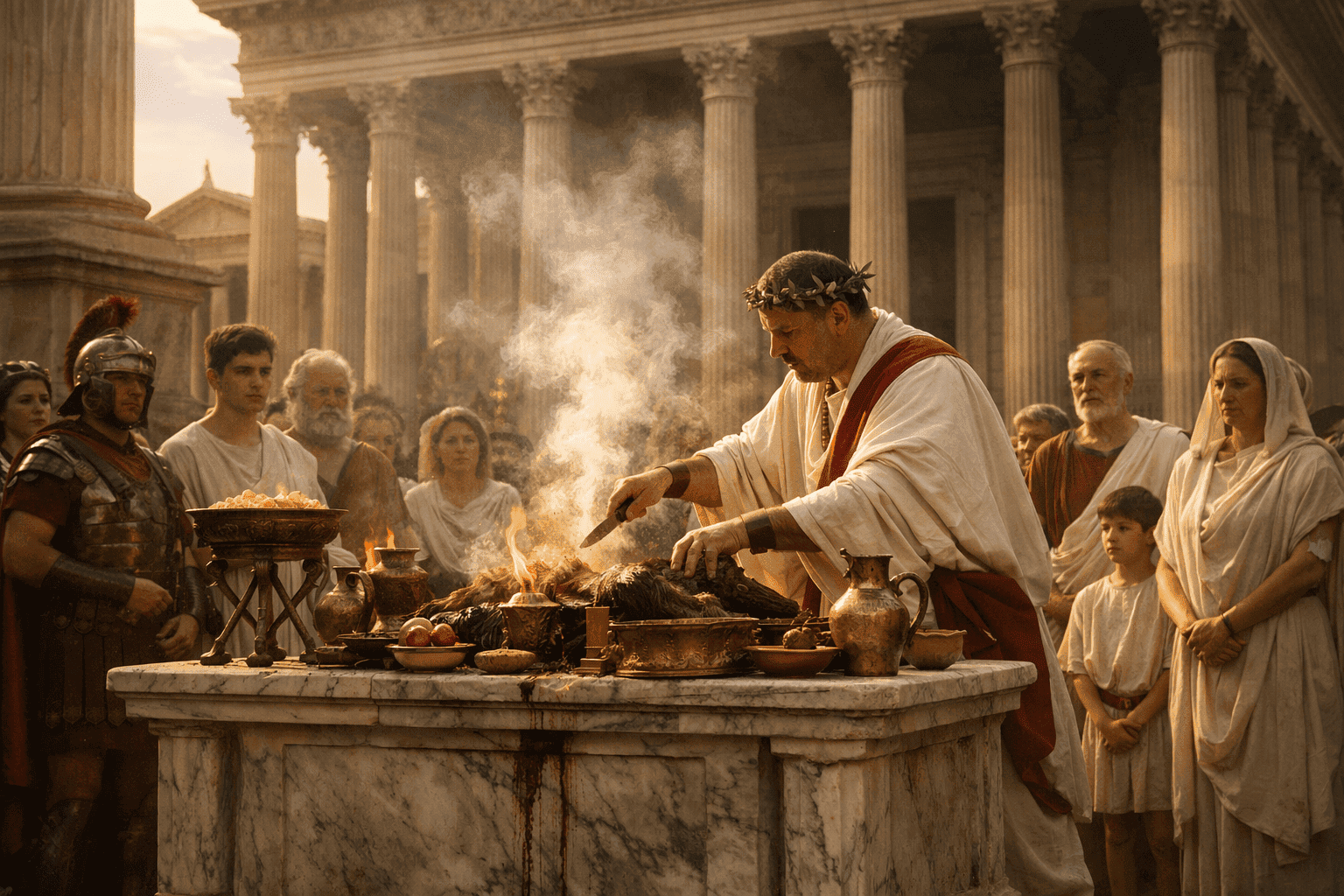
Explore Roman religion through its rituals, beliefs, sacrifices, omens, priesthoods, and role in Roman society and state life.
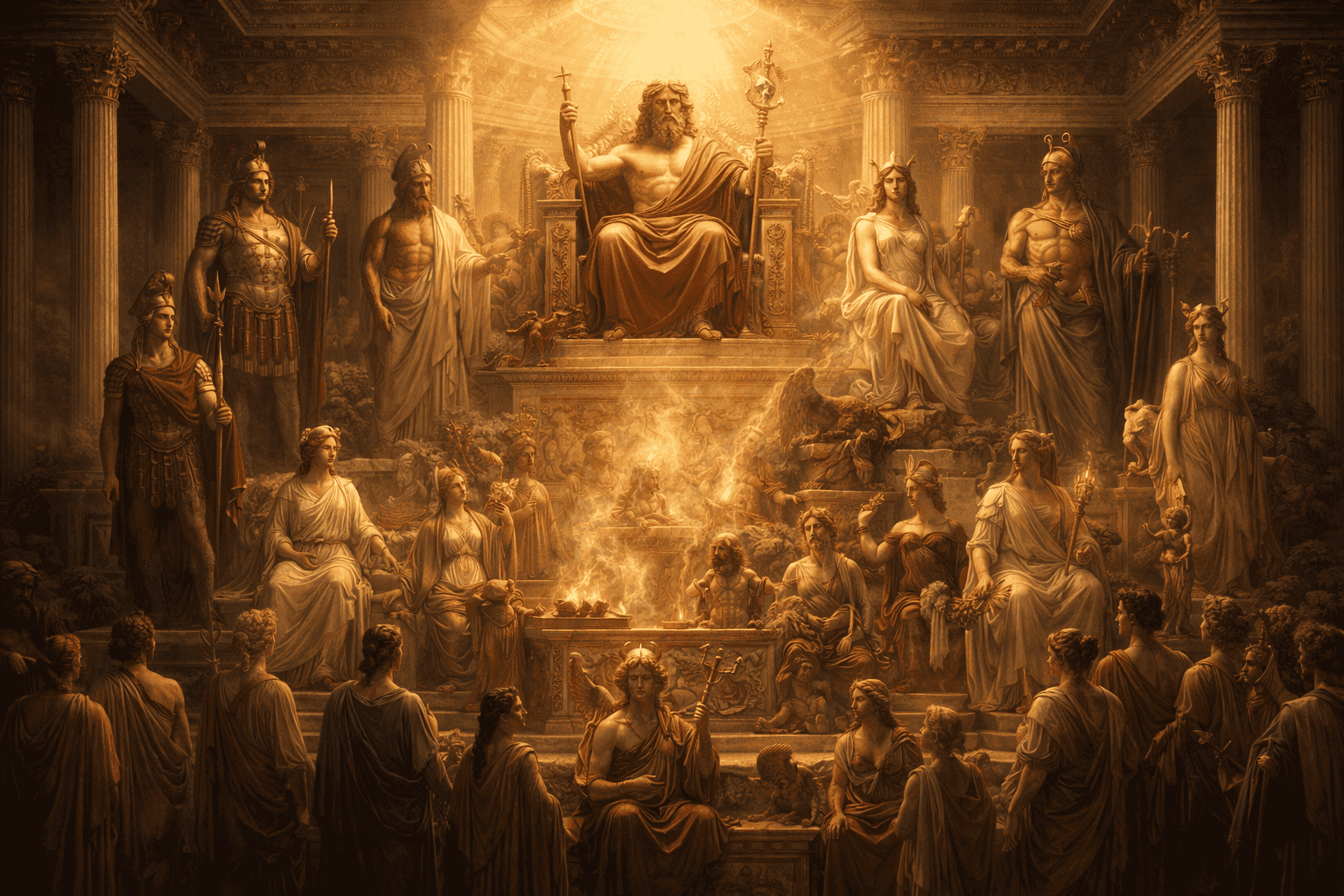
Explore the Roman pantheon: a complete list of Roman gods, minor deities, and their roles in a structured mythological system.
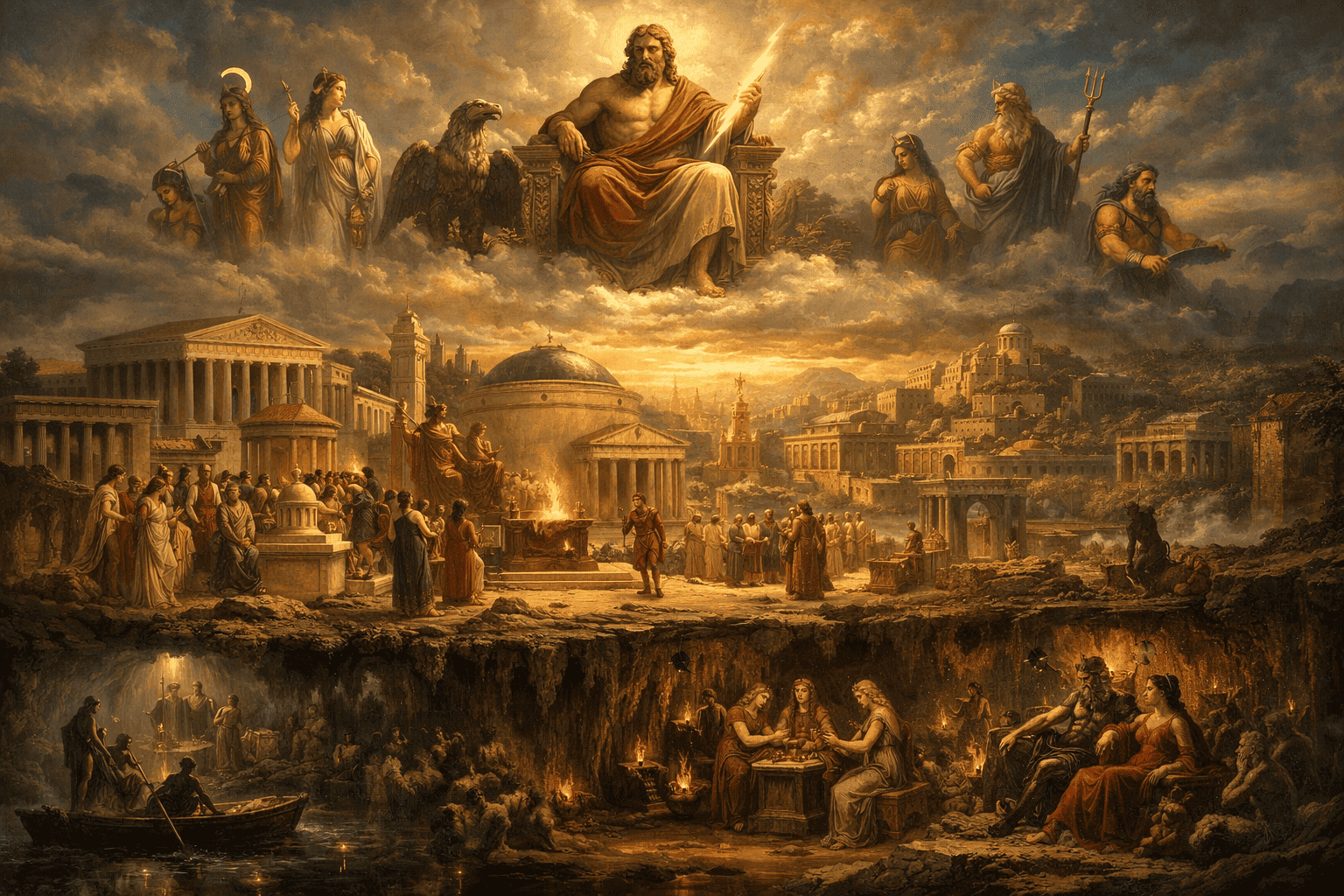
Discover Roman mythology: gods, myths, rituals, and beliefs explained in a clear, structured beginner’s guide.
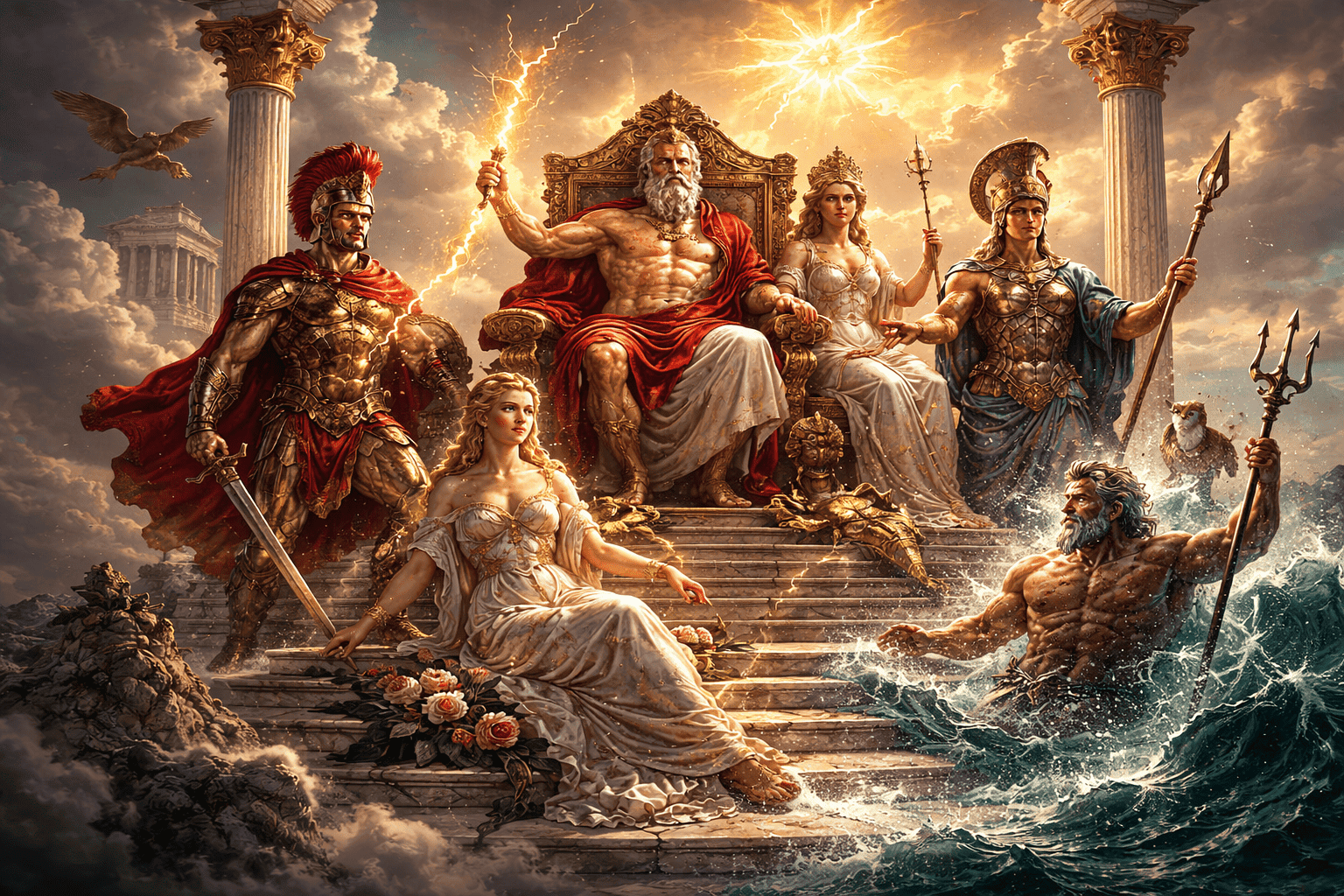
Explore Roman gods, from Jupiter to lesser-known deities, and understand their roles in myth, religion, and daily Roman life.
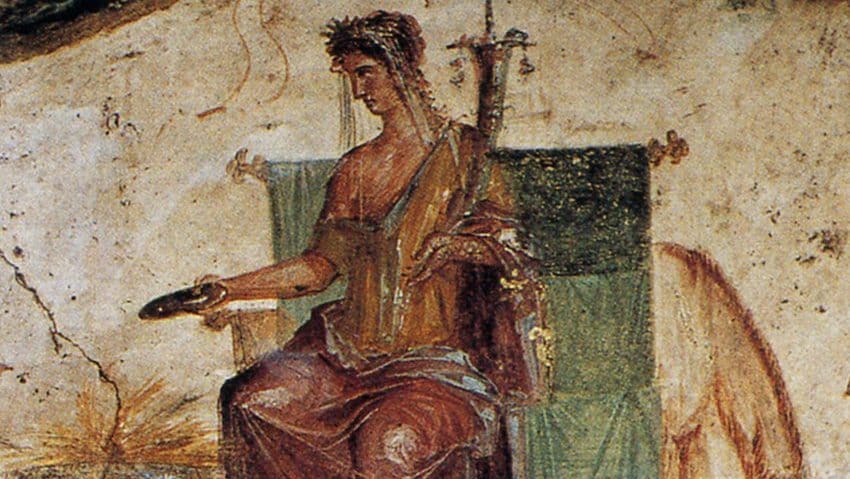
Discover Vesta, Roman goddess of the hearth and home, guardian of family, purity, and the sacred flame of Rome.
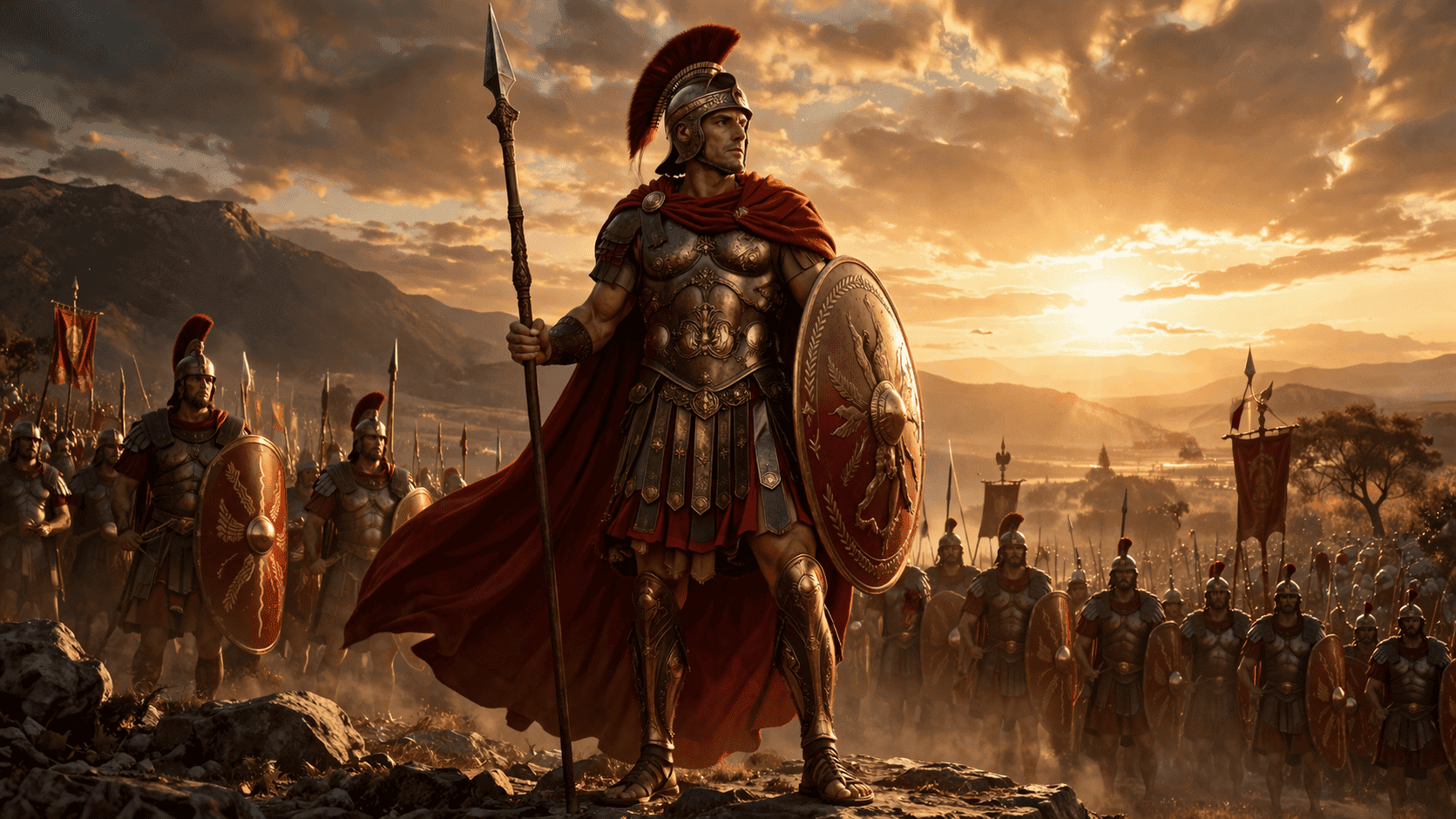
Discover Mars, the Roman god of war, his powers, symbols, myths, and role as protector and father of Rome.
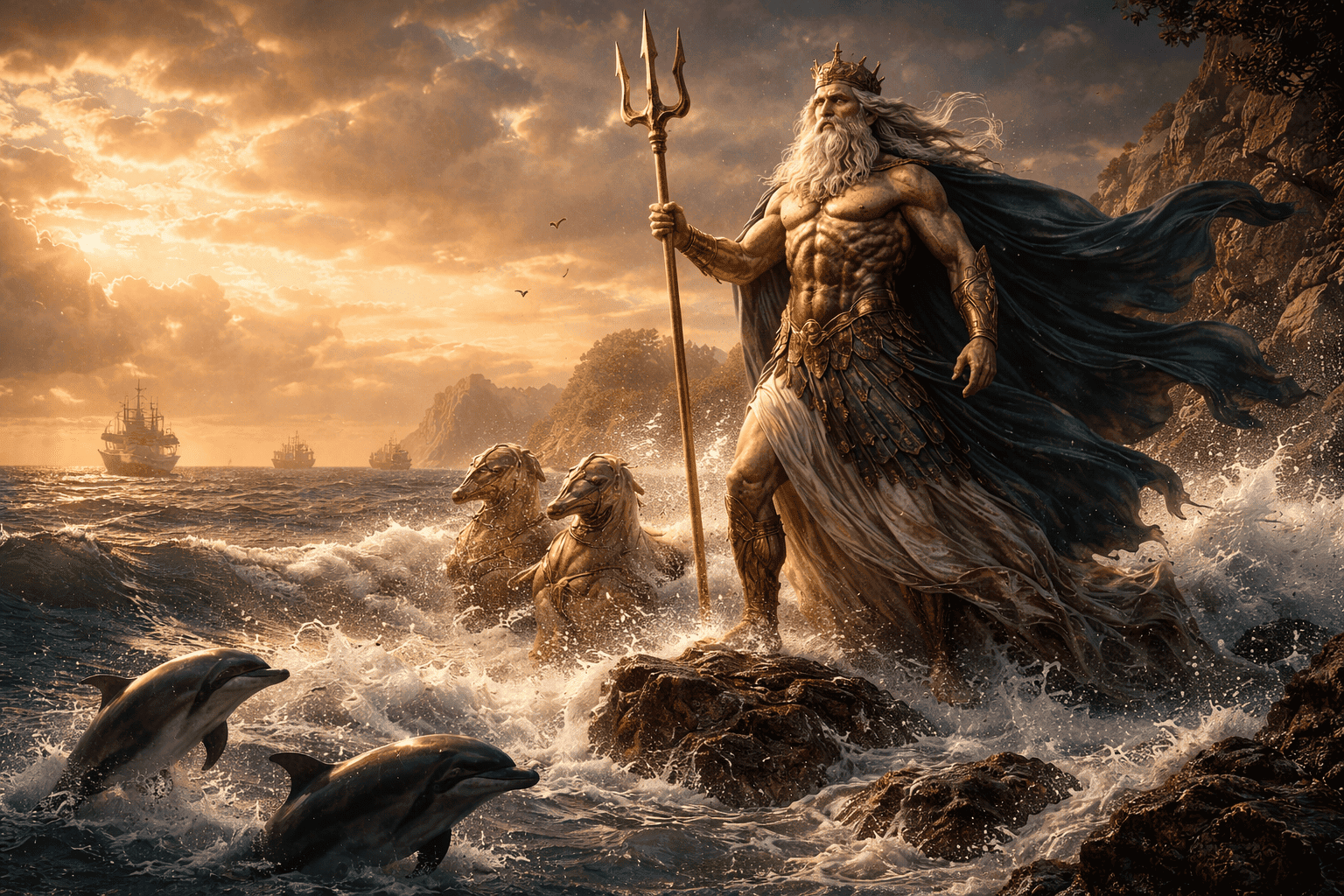
Discover Neptune, Roman god of the sea and earthquakes, ruler of the oceans and bringer of both storm and calm.
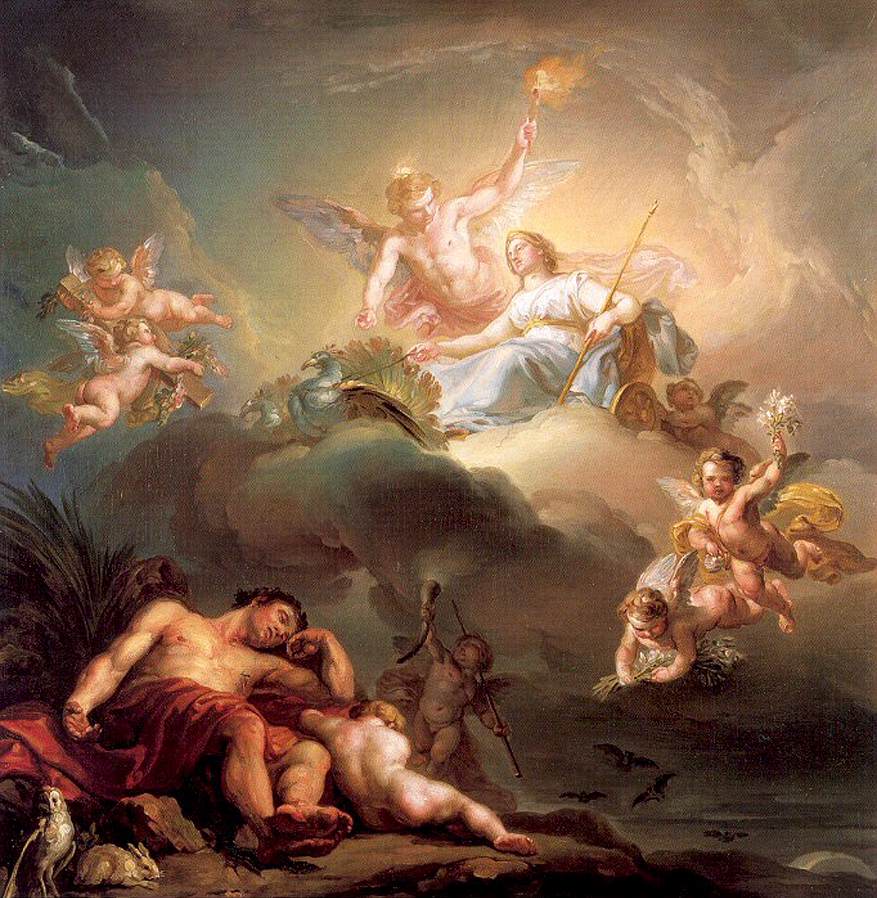
Discover Juno, Roman queen of the gods, guardian of women and marriage, and symbol of strength, wisdom, and divine justice.