Apollo and Sol: How Rome Made Apollo a Sun God
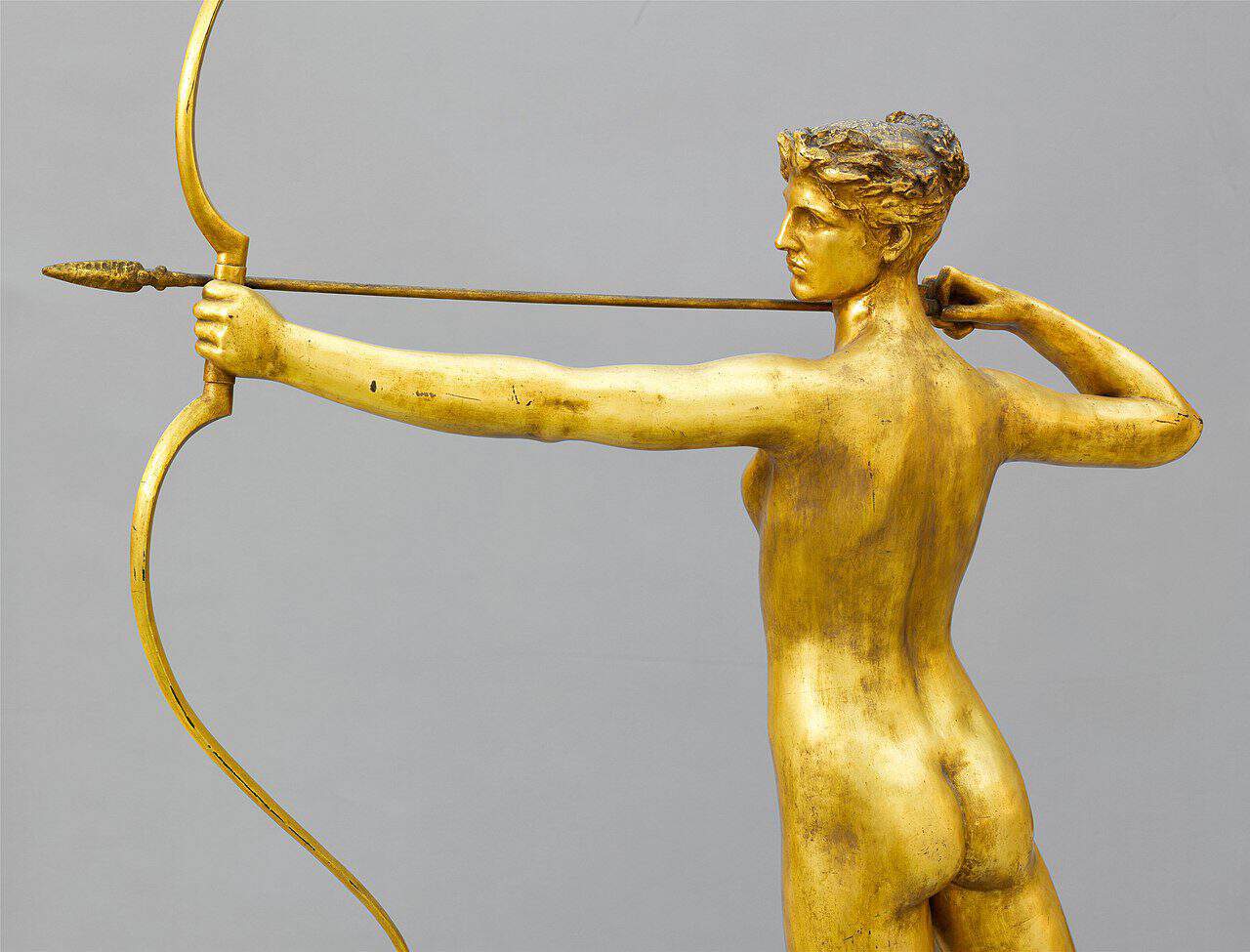
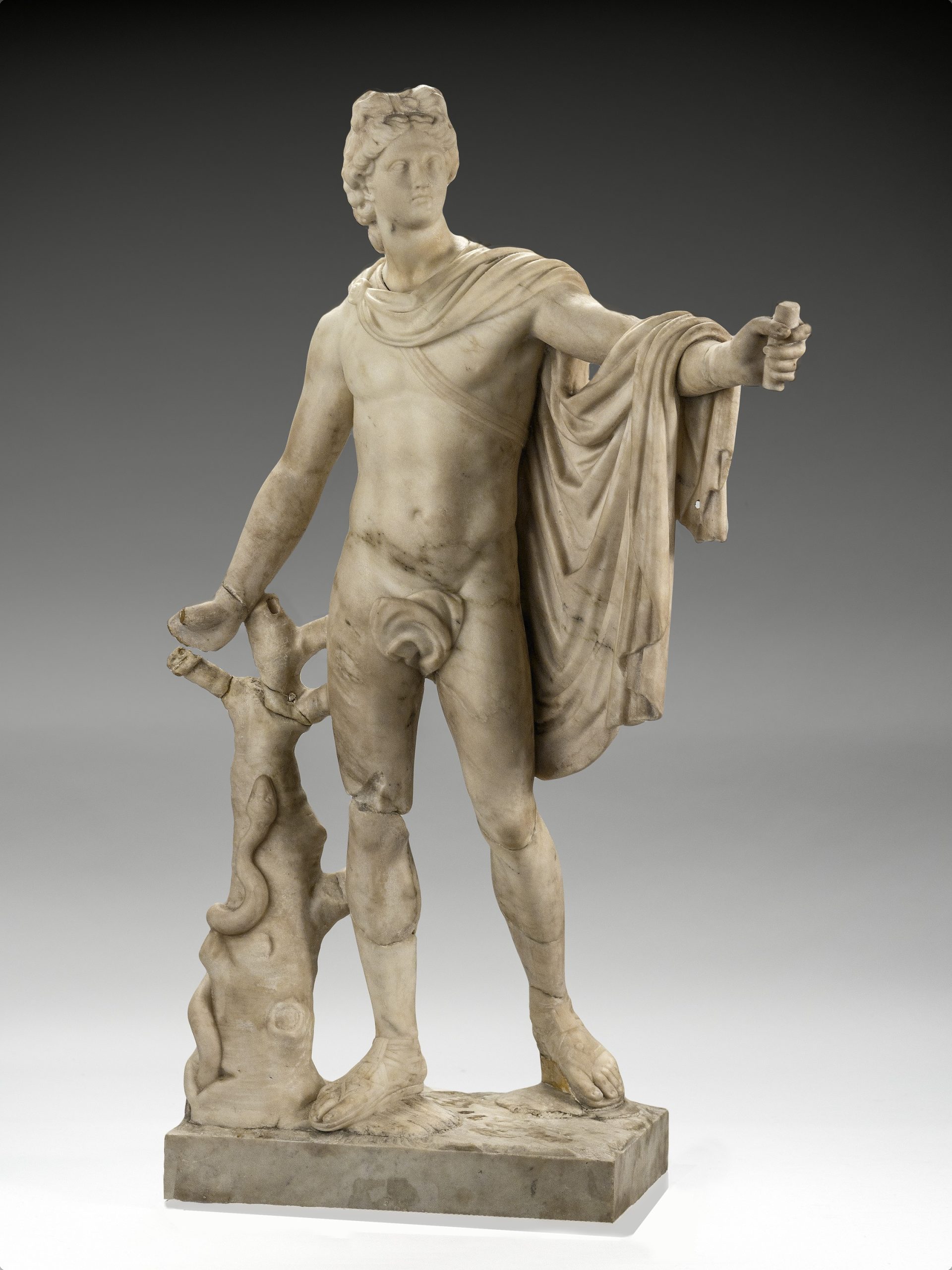
Everyone knows Apollo as the sun god. An early Greek would have called that a mistake — the sun was Helios. Apollo only inherited the sky later, and mostly on Roman ground.
Gods, Goddesses, and Ancient Legends
Everyone knows Apollo as the sun god. An early Greek would have called that a mistake — the sun was Helios. Apollo only inherited the sky later, and mostly on Roman ground.
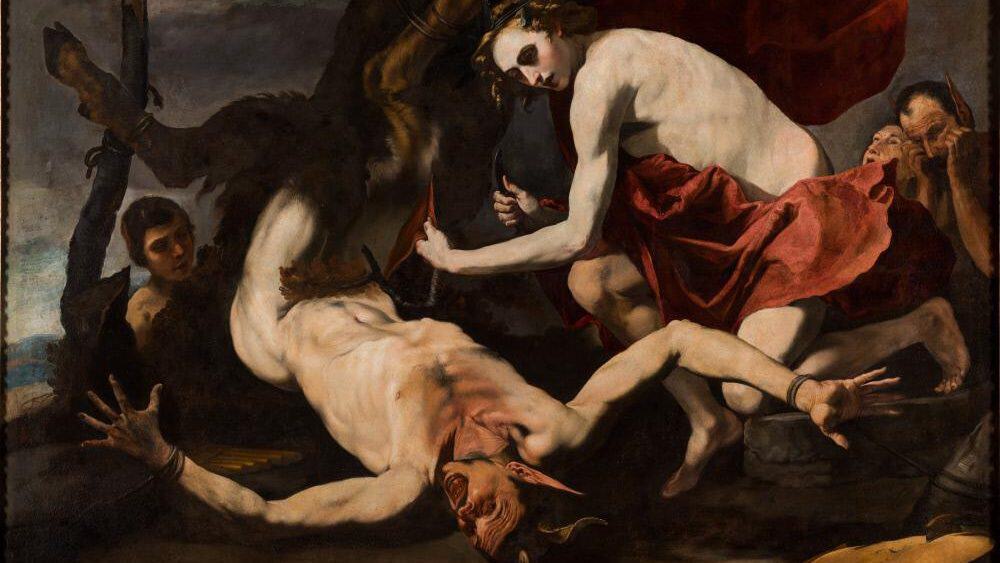
Apollo won his music contest with the satyr Marsyas by playing his lyre upside down. His prize, by the rules of the duel, was the right to flay the loser alive — and he took it.
The oracle told Croesus that if he attacked, Persia he would destroy a great empire. He attacked — and destroyed his own. Apollo never lied. He simply let confident men hear what they wanted to hear.
The arrows that made Apollo a god of healing were the same arrows that brought the plague. To the Romans, the power to kill and the power to cure were one weapon, pointed either way.
Apollo could foresee the future and cure the dying. He could not save the one boy he loved from a discus thrown in play — so he turned his blood into a flower that grieves every spring.
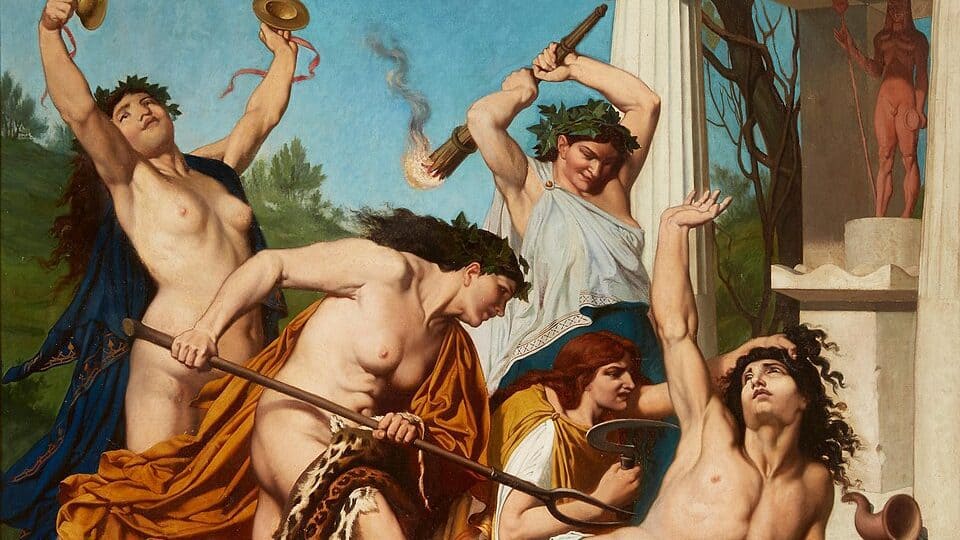
Niobe boasted that her fourteen children made her greater than a goddess who had only two. By sundown all fourteen were dead — and Niobe had wept herself into a stone that still drips water today.
Augustus let it be whispered that his mother had conceived him by Apollo, who came to her as a serpent in the god’s own temple. He was not merely Apollo’s favorite — by this telling, he was the god’s son.
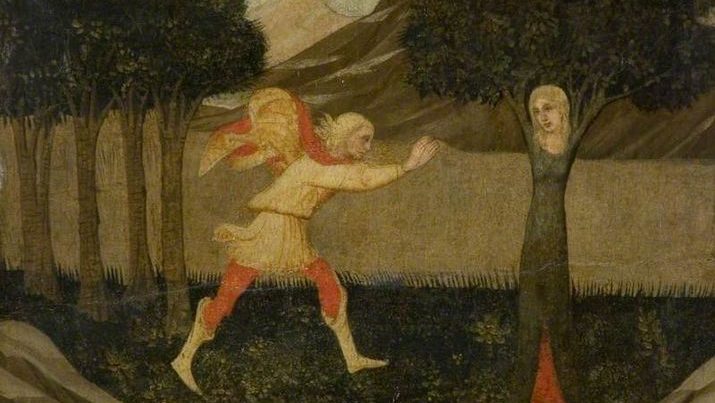
Apollo pursued Daphne through the forests of Thessaly and was gaining ground when she called out to her father. She became a laurel tree. Apollo declared it sacred — and every laurel crown in Rome carried that story in its leaves ever after.
Marsyas was genuinely talented — good enough to believe he could challenge Apollo to a contest of music. The myth of his punishment is Rome’s most unsparing account of what happens when real skill is mistaken for something it is not.
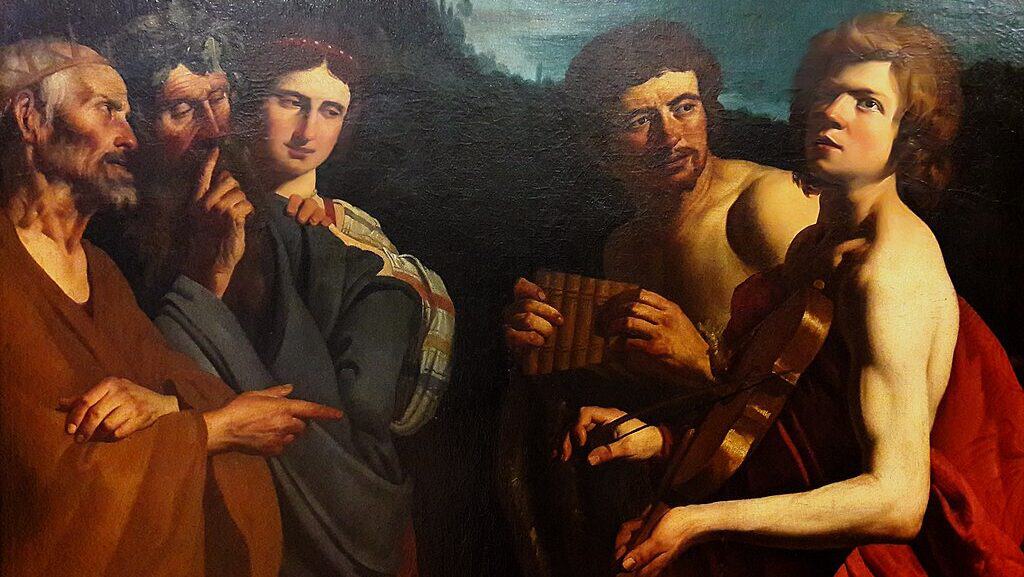
Midas survived the golden touch and learned nothing. When Pan and Apollo competed on Mount Tmolus, he picked the wrong side — and Apollo’s punishment was designed to reveal exactly what kind of listener he had always been.