Diana and Actaeon: The Hunter Who Saw Too Much
Actaeon did nothing wrong. He took a wrong turn in the woods and saw a goddess bathing — and for that accident Diana turned him into a stag and let his own hounds tear him apart.
Gods, Goddesses, and Ancient Legends
Actaeon did nothing wrong. He took a wrong turn in the woods and saw a goddess bathing — and for that accident Diana turned him into a stag and let his own hounds tear him apart.
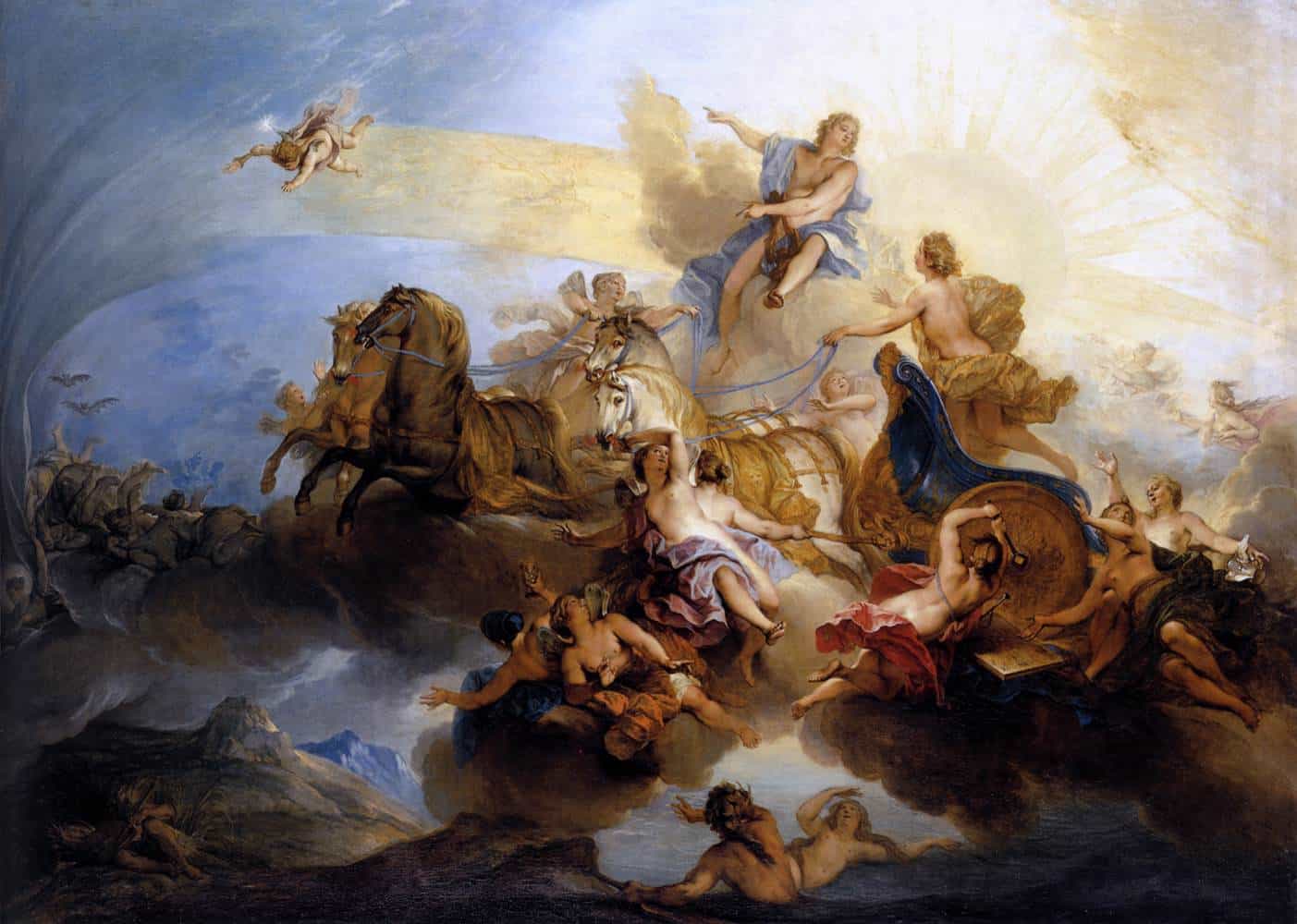
Apollo could foresee the future and cure the dying. He could not save the one boy he loved from a discus thrown in play — so he turned his blood into a flower that grieves every spring.
Arachne wove a tapestry so perfect that the goddess of weaving could not find a single flaw in it. That was the problem. It also showed, thread by thread, every crime the gods had committed.
Before he lost his own son to the sky, Daedalus had murdered another boy for being too gifted. As he buried Icarus, a partridge watched from a ditch — and clapped its wings.
The Romans held a festival in May specifically to drive the dead out of the house. Not to honor them — to expel them. The Lemures were the spirits you did not want lingering, and the Lemuria was what you did about it.
The ancient world had two entirely different kinds of Cyclops: the divine smiths who forged Jupiter’s thunderbolts under Mount Etna, and the savage shepherd Polyphemus who ate Odysseus’s men. They share a name and a single eye. Almost nothing else.
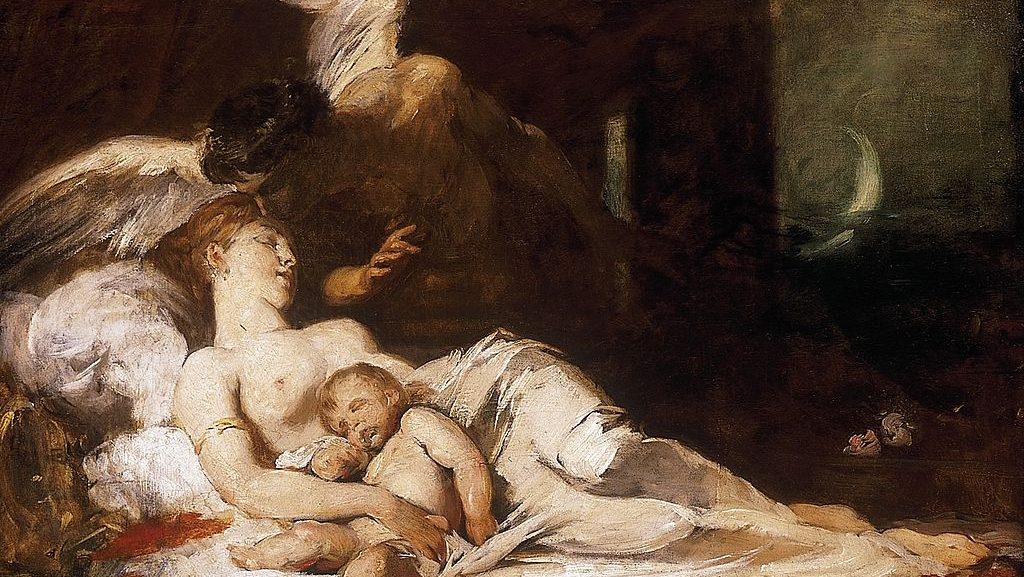
Somnus and Mors were brothers — Sleep and Death. The Romans took that relationship seriously. Every night was a small death, every dawn a small resurrection, and Somnus presided over the threshold between them.
Apollo pursued Daphne through the forests of Thessaly and was gaining ground when she called out to her father. She became a laurel tree. Apollo declared it sacred — and every laurel crown in Rome carried that story in its leaves ever after.
Marsyas was genuinely talented — good enough to believe he could challenge Apollo to a contest of music. The myth of his punishment is Rome’s most unsparing account of what happens when real skill is mistaken for something it is not.
Midas survived the golden touch and learned nothing. When Pan and Apollo competed on Mount Tmolus, he picked the wrong side — and Apollo’s punishment was designed to reveal exactly what kind of listener he had always been.