Diana vs Artemis: How Rome Reshaped the Greek Huntress
Diana and Artemis share nearly every myth — yet they are not the same goddess. One was purely Greek; the other was an ancient Italian power of the woods, with a civic cult Artemis never had.
Gods, Goddesses, and Ancient Legends
Diana and Artemis share nearly every myth — yet they are not the same goddess. One was purely Greek; the other was an ancient Italian power of the woods, with a civic cult Artemis never had.
Everyone knows Apollo as the sun god. An early Greek would have called that a mistake — the sun was Helios. Apollo only inherited the sky later, and mostly on Roman ground.
The Greeks made Ares a god their other gods despised. The Romans made Mars the divine father of Rome. Same god, different treatment by two different civilizations.
Roman mythology is usually taught as a footnote to Greek mythology. Same gods, different names, end of story. That version is wrong — and the gap between what it gets right and what it misses is where the most interesting material lives.
Aphrodite caused the Trojan War. Venus ensured its survivors reached Italy and founded Rome. Same goddess — but one civilization made her a troublemaker, and the other made her the divine mother of an empire.
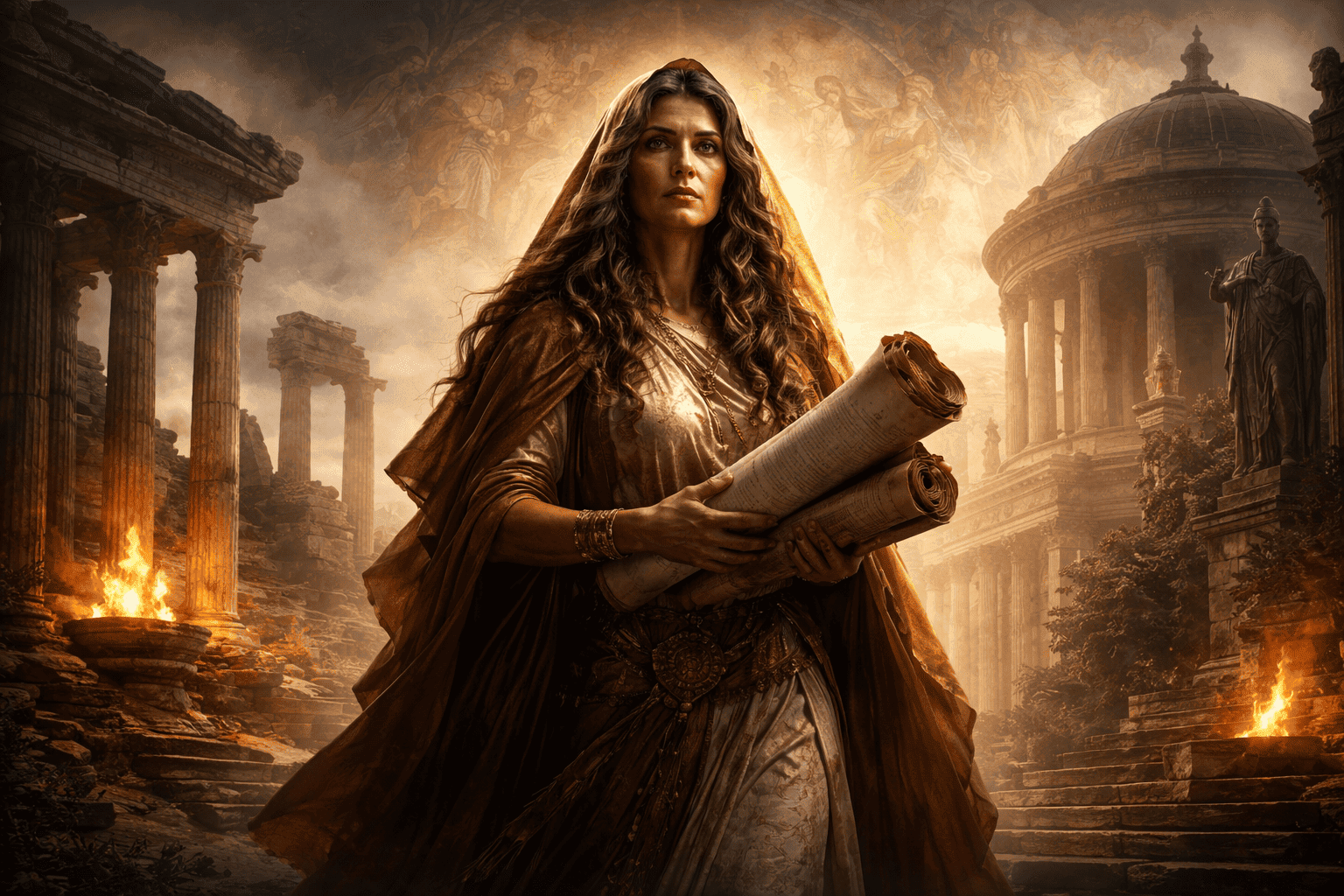
She came to Rome’s last king with nine prophetic books and named her price. He refused. She burned three. He refused again. She burned three more. He paid. What Rome got for the price of nine books was three books and a lesson it never forgot.
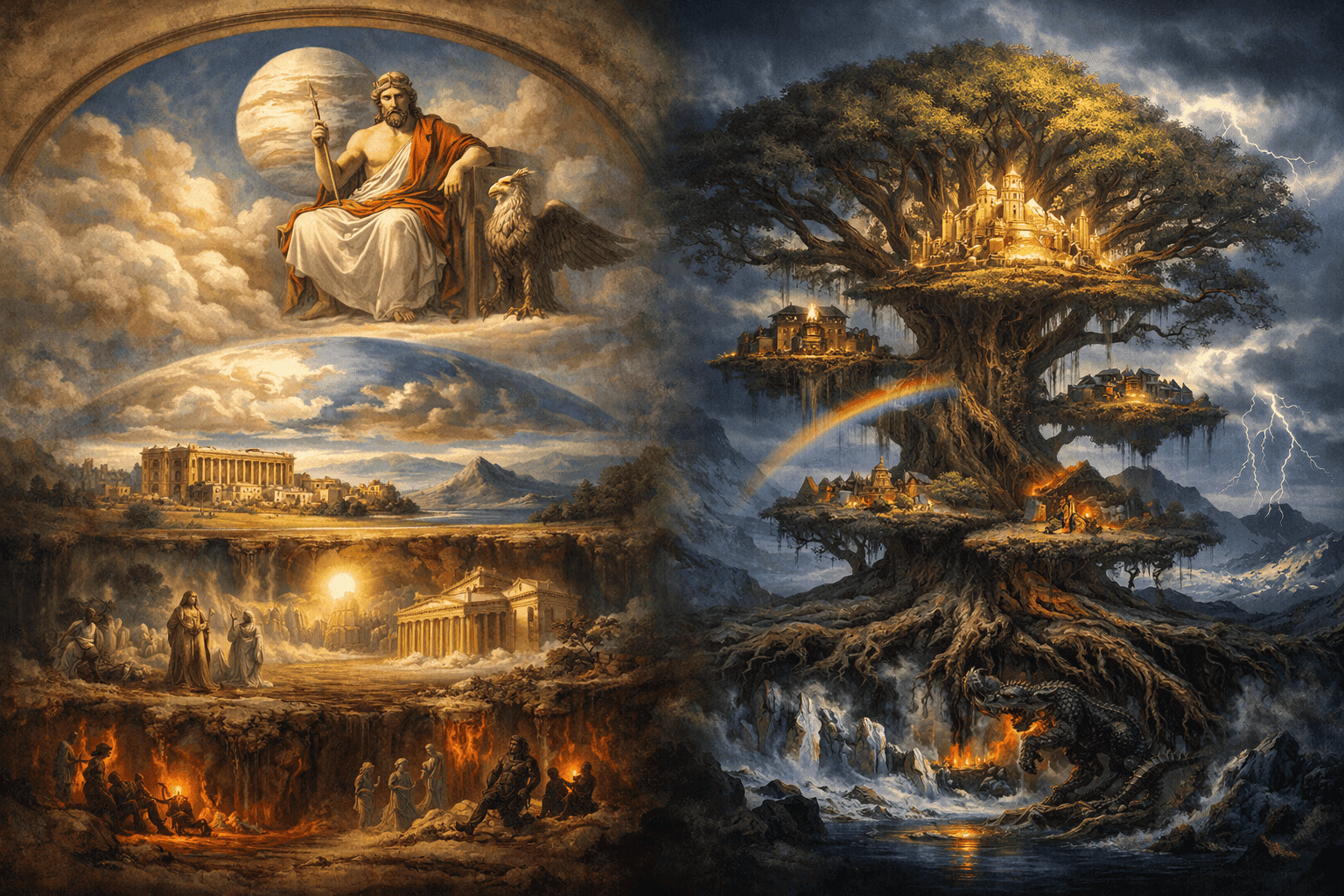
Rome and the Norse world were separated by centuries — but not by ignorance. Tacitus wrote about the Germanic tribes in 98 CE, identifying their gods through Roman equivalents. The planetary week we still use preserves the meeting point: Thursday is both Jupiter’s day and Thor’s day, two thunder gods identified across a cultural divide neither tradition fully crossed.