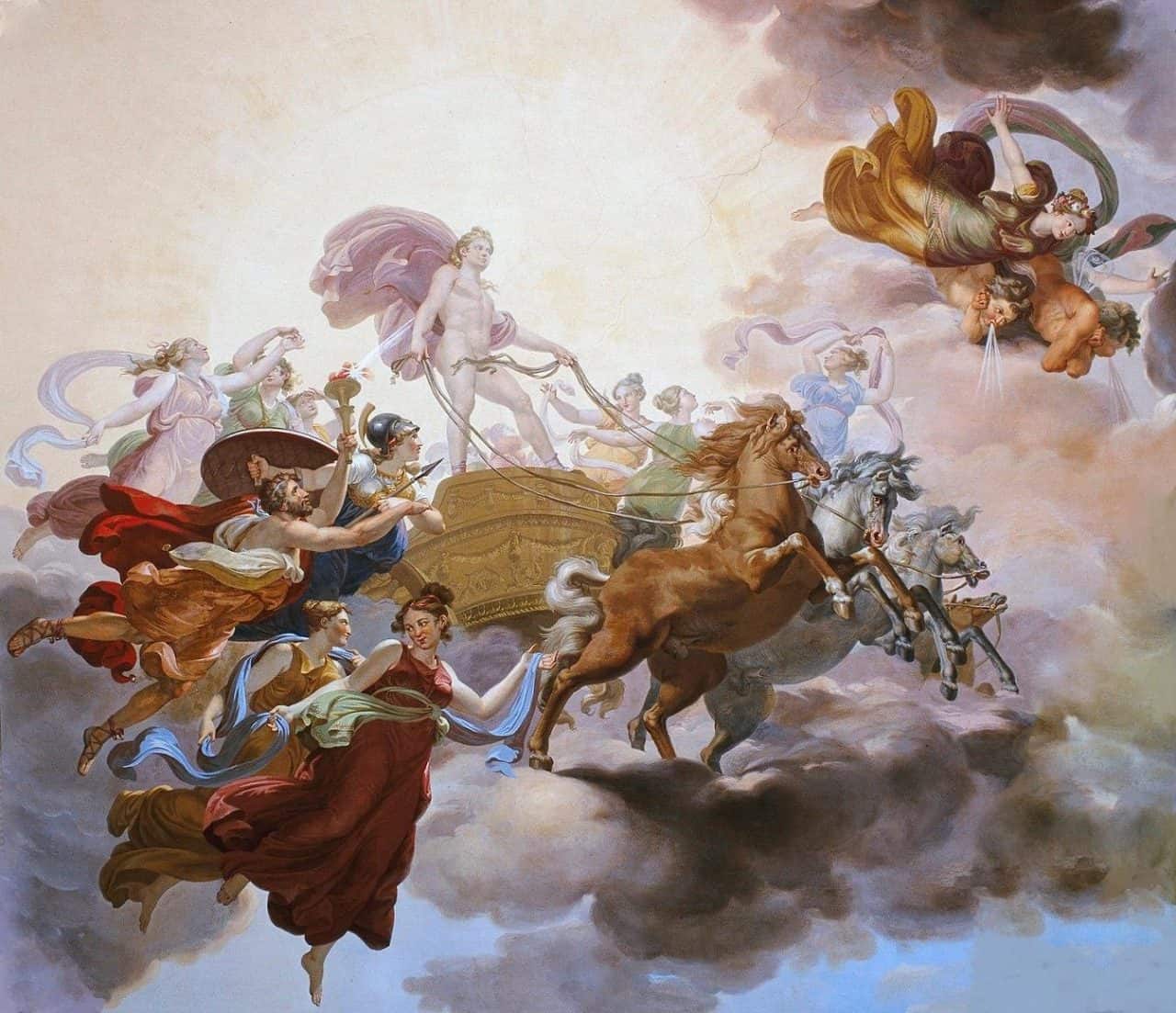
The Ludi Romani: Rome’s Greatest Games in Honor of Jupiter

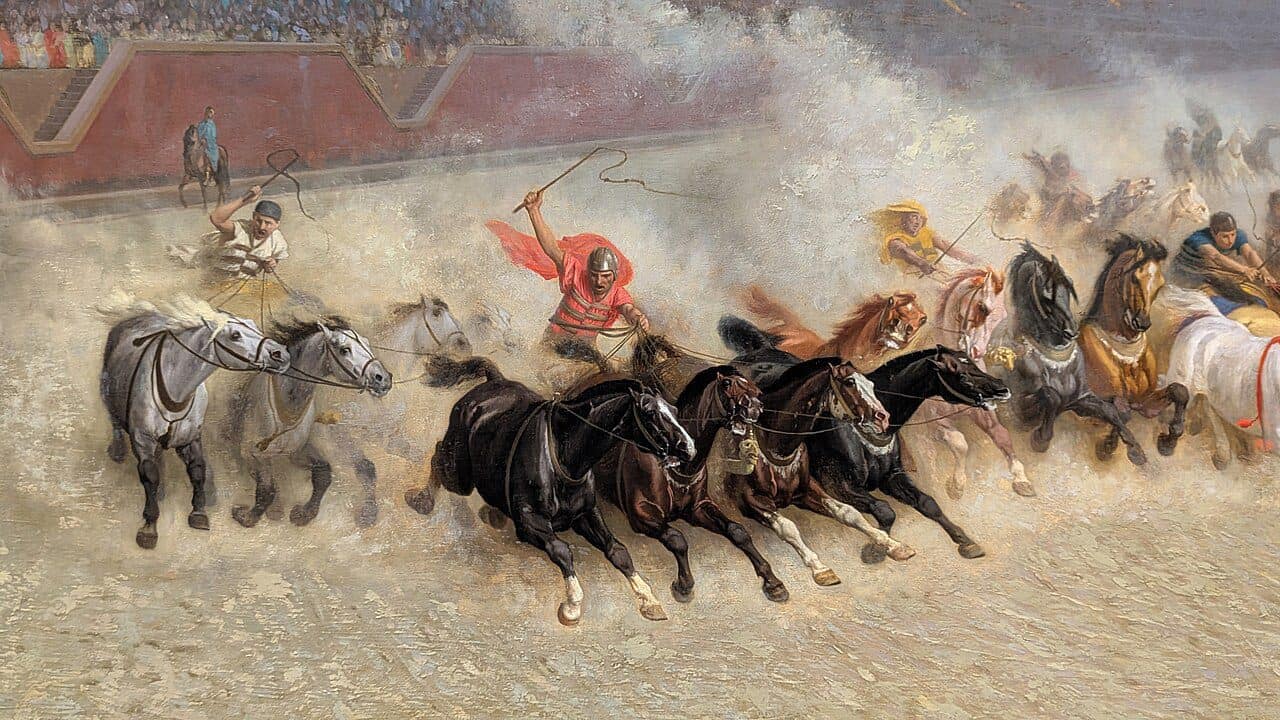
For fifteen days each September, Rome dedicated itself entirely to Jupiter — with a procession of the gods through the streets, hundreds of chariot races in the Circus Maximus, theatrical performances, and sacrifices of white bulls on the Capitoline Hill. The Ludi Romani were not entertainment. They were worship on the largest scale the ancient world could manage.

The Vestal Virgins and the Eternal Flame: Rome’s Most Sacred Office

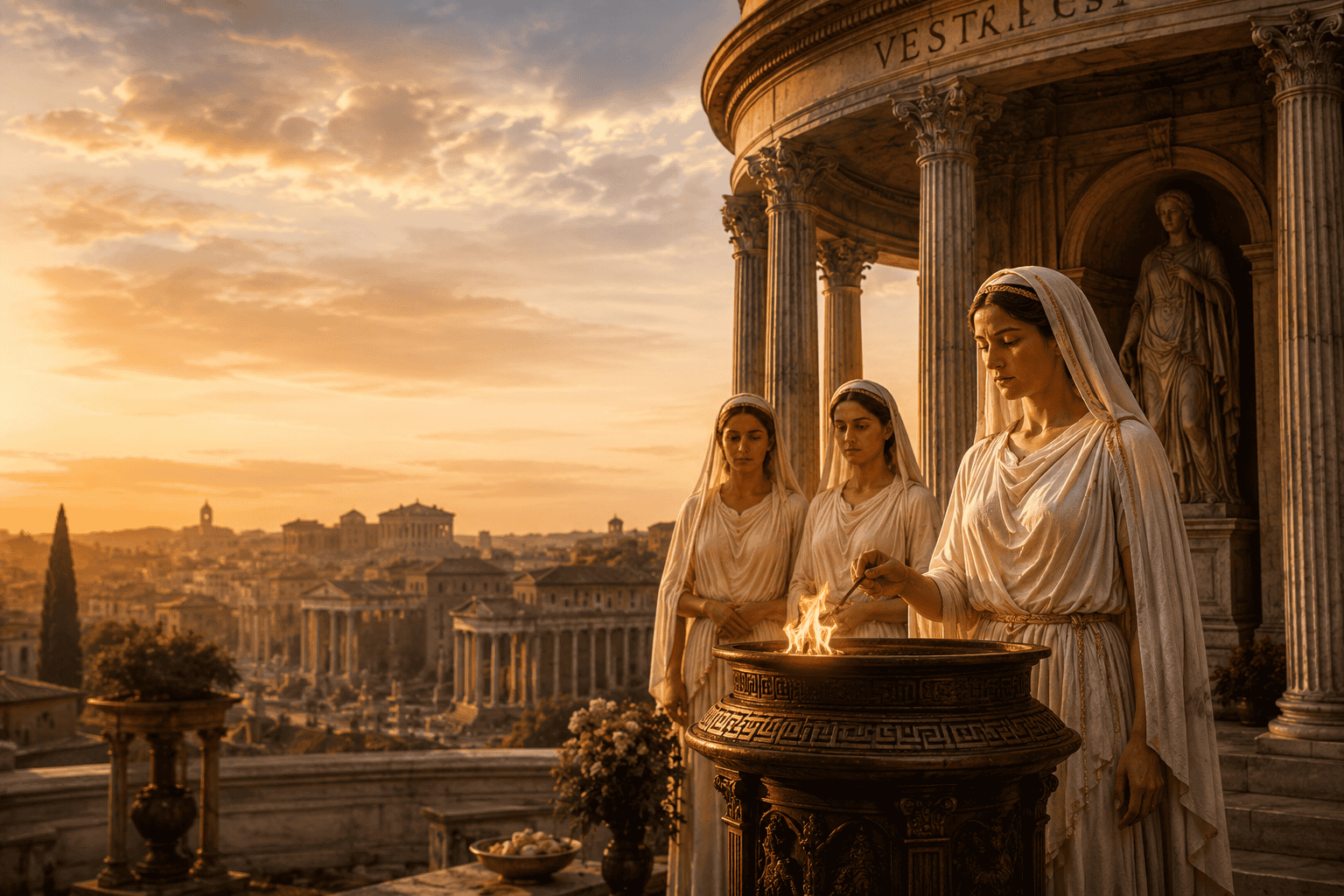
Vestal Virgins tending the sacred flame at a Roman temple during sunset, with ancient Rome and marble columns in the background.

Six women kept Rome alive. Not metaphorically — in Roman theology, the sacred flame in the Temple of Vesta was a literal condition of the city’s survival. If it went out, Rome was in danger. If a Vestal’s chastity was violated, Rome was in danger. The connection between six women’s bodies and the fate of an empire was official state theology.

The Sacred Objects of Roman Ritual: A Visual Language of the Divine

Roman religion communicated through objects. The curved staff in the augur’s hand, the flat dish held during sacrifice, the white ribbons tied to a bull’s horns — each was a precise symbol in a visual language the gods were understood to read as carefully as any human observer.

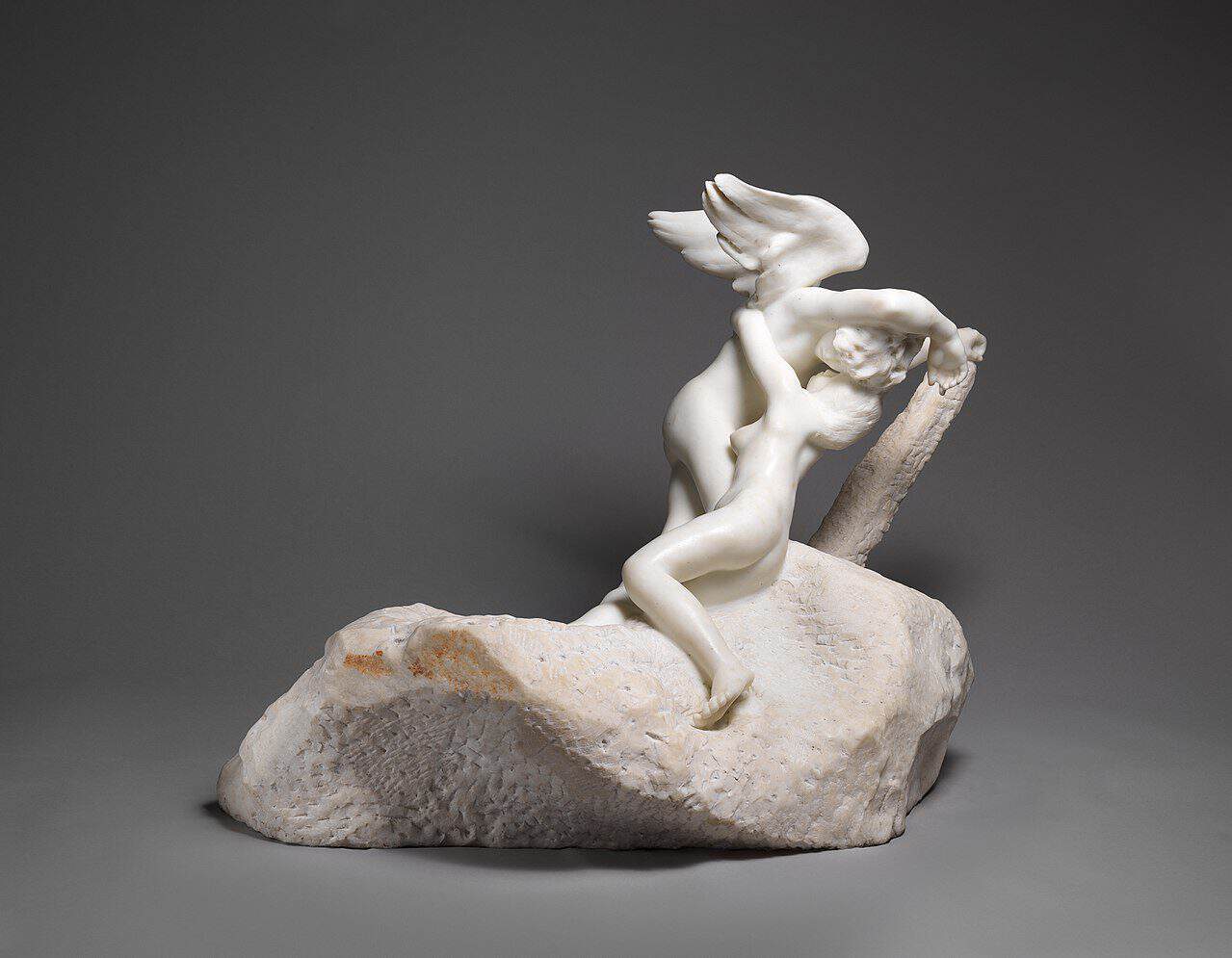
Cupid and Psyche: The Complete Roman Myth

Venus sent her son to ruin a mortal girl whose beauty was emptying her temples. Cupid went, saw Psyche, and scratched himself with his own arrow. What followed is the only full-length prose novel to survive from the ancient world — and one of its best stories.