Jupiter and the Control of Fate

Learn how Jupiter influenced fate in Roman mythology, guiding destiny, shaping events, and maintaining cosmic order.
Learn how Jupiter influenced fate in Roman mythology, guiding destiny, shaping events, and maintaining cosmic order.
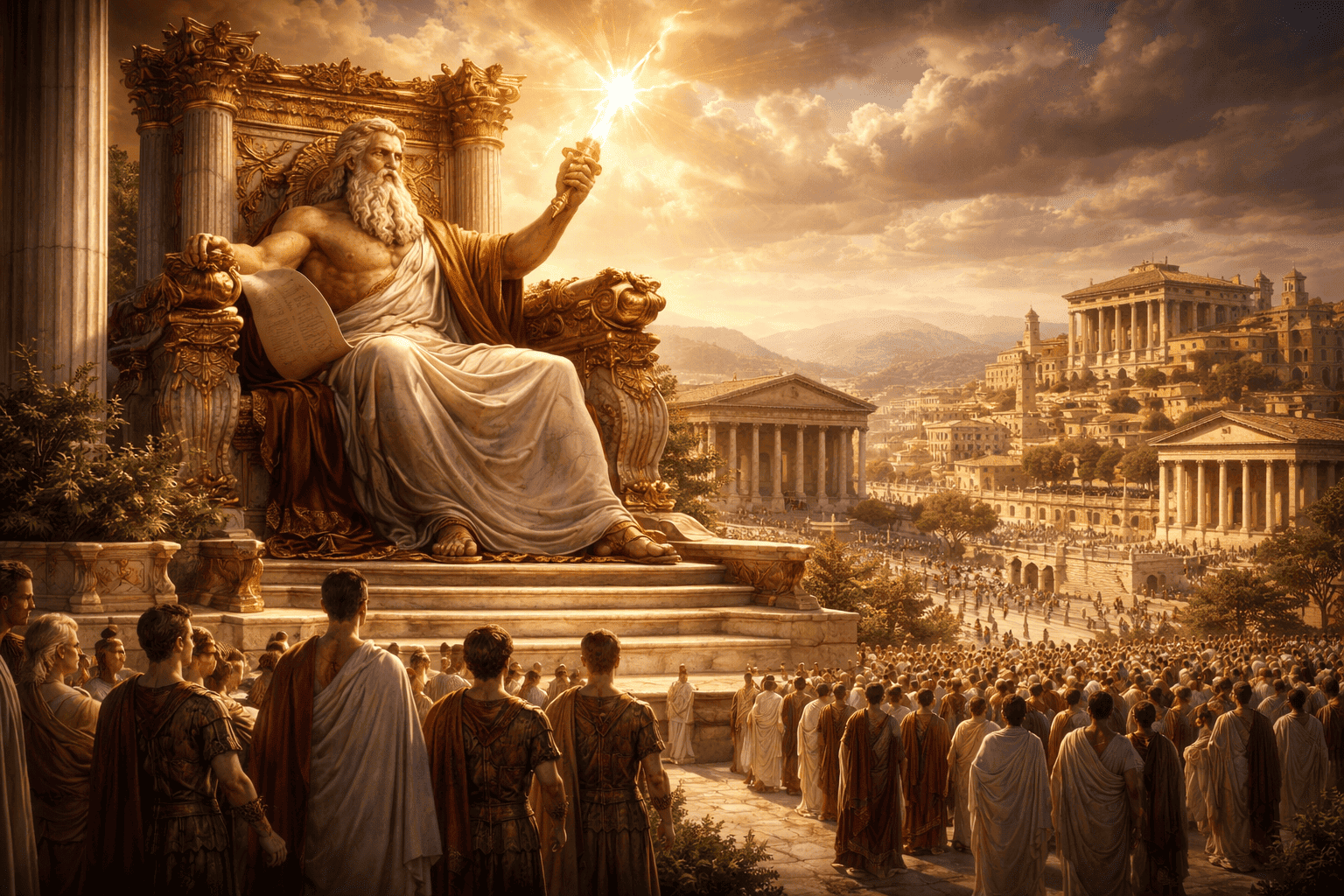
Explore Jupiter’s role as the Roman god of law and justice, overseeing oaths, moral order, and the divine foundation of authority.
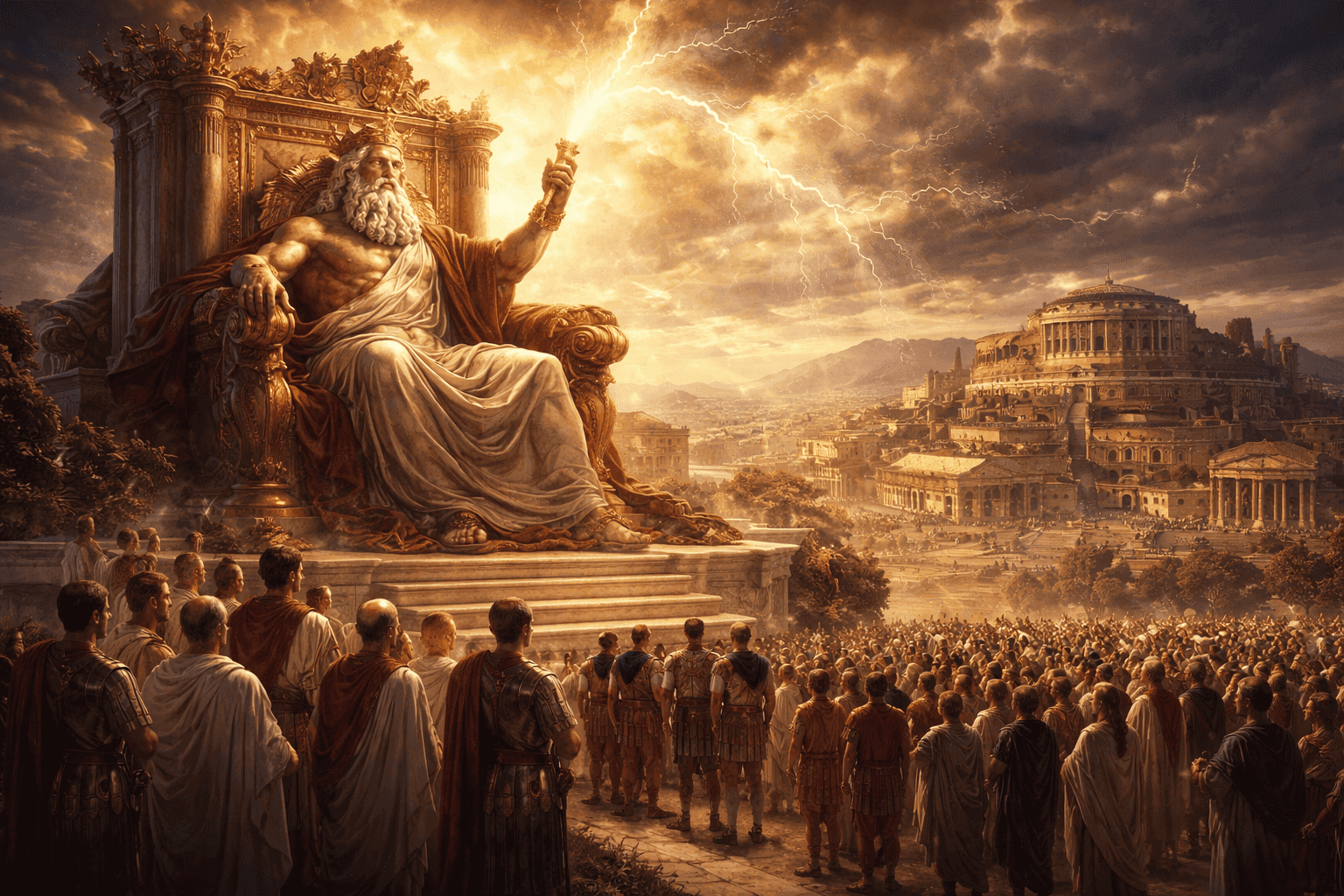
Discover how Jupiter shaped divine authority in Rome, influencing law, leadership, and the legitimacy of power in Roman society.
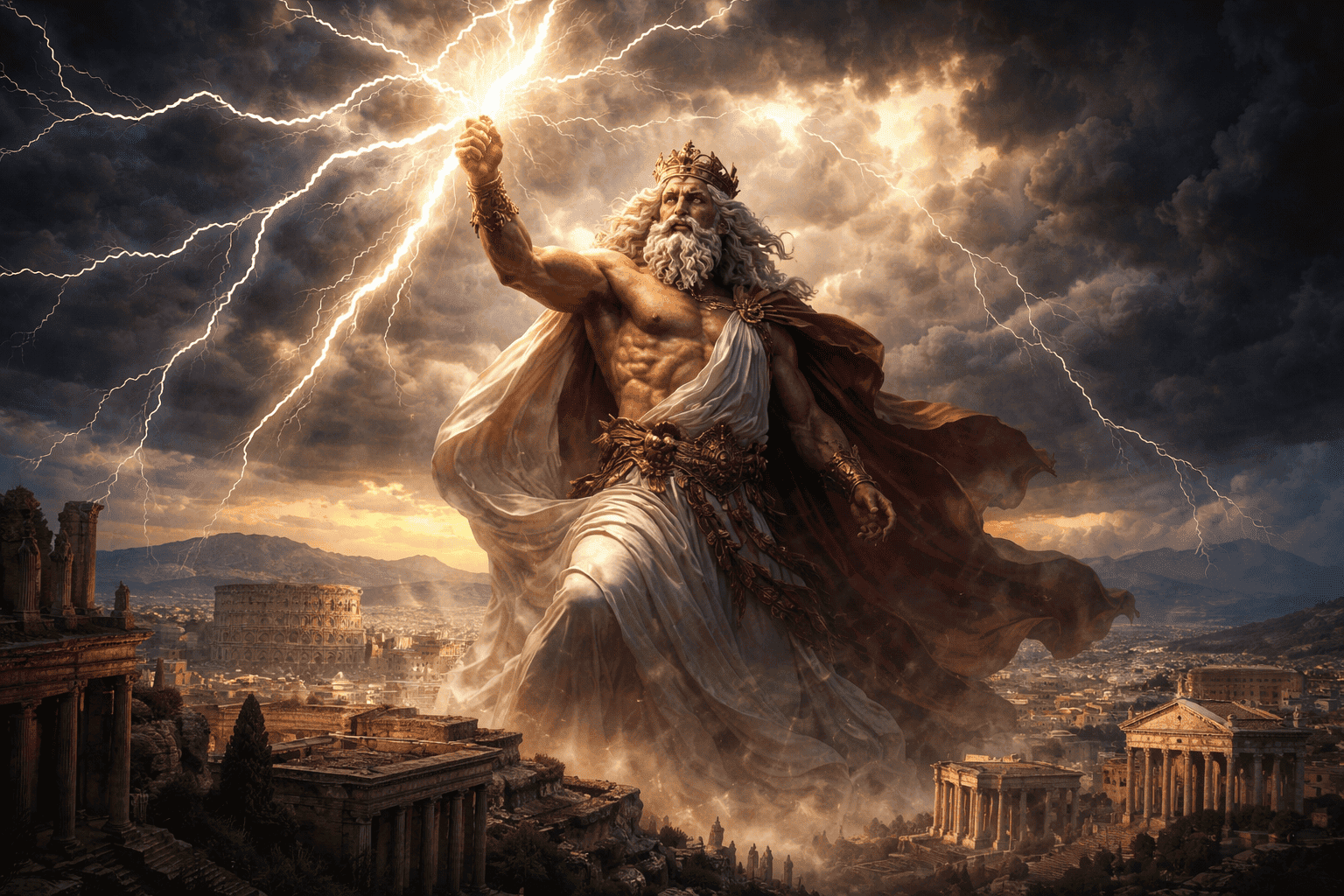
Explore Jupiter’s powers in Roman mythology: lightning, sky control, divine authority, and his role as king of the gods.
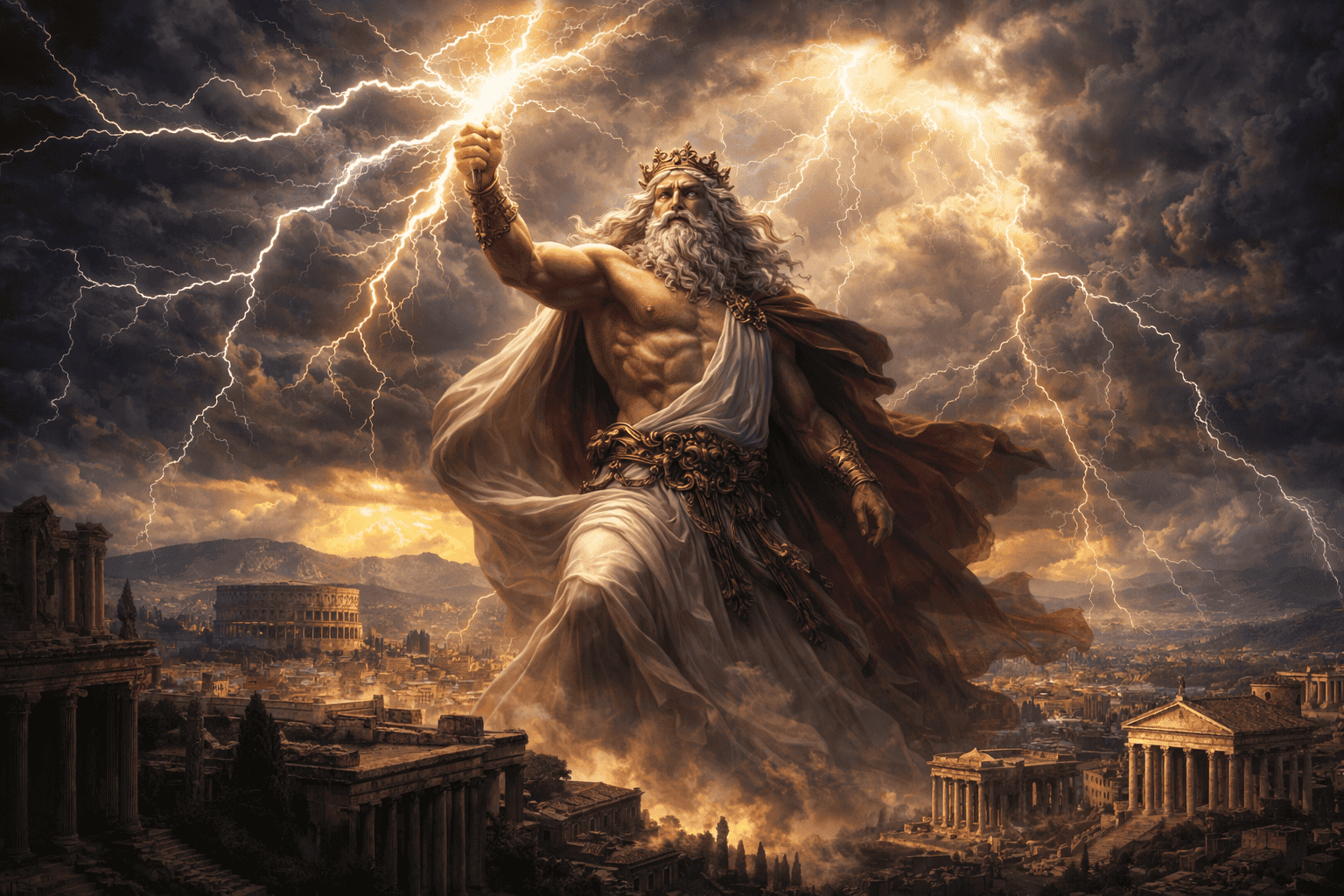
Learn how Jupiter ruled the sky and thunder in Roman mythology, and why his control of storms symbolized supreme divine authority.
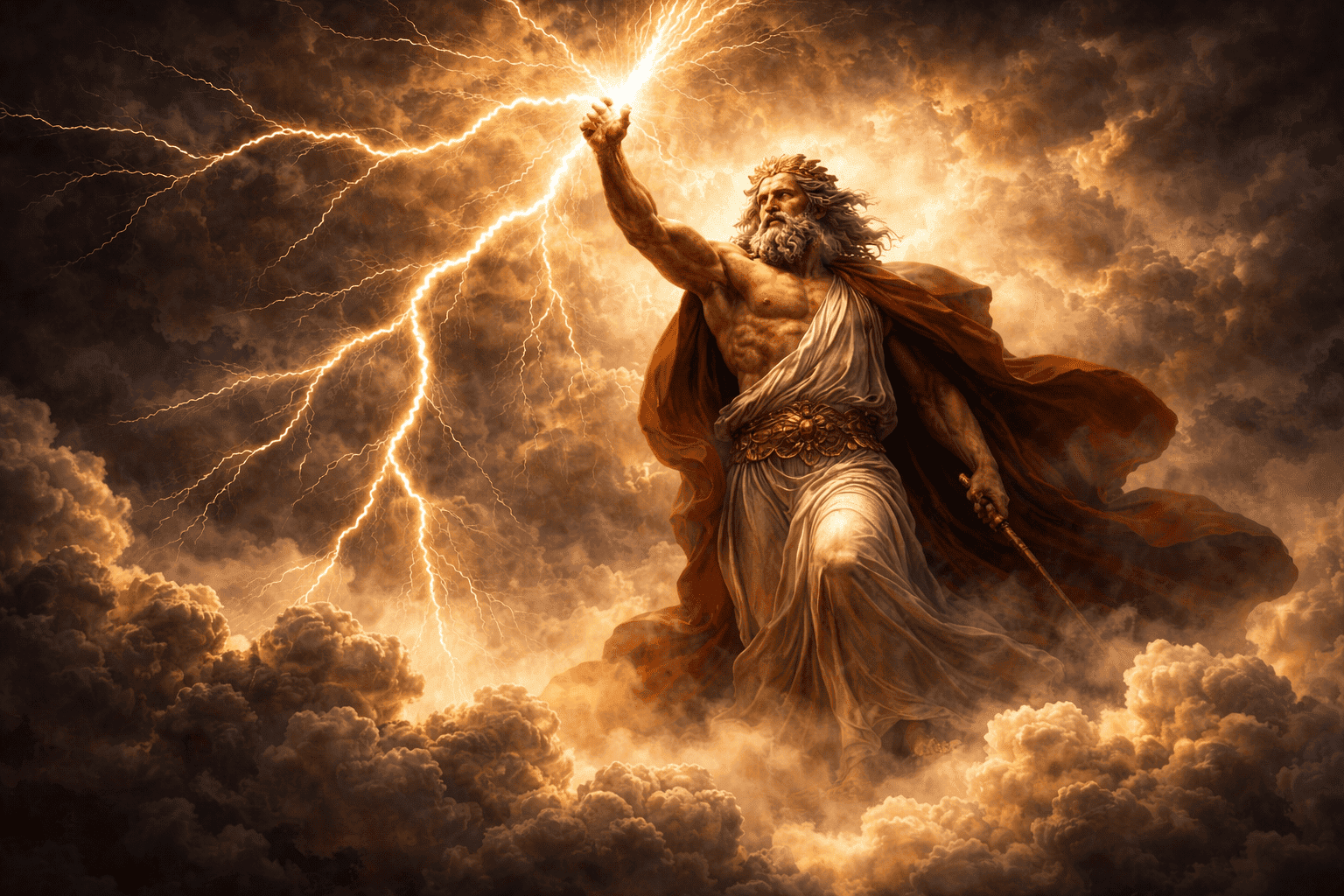
Discover how powerful Jupiter was in Roman mythology, from ruling the gods to controlling the sky, law, and the Roman state.
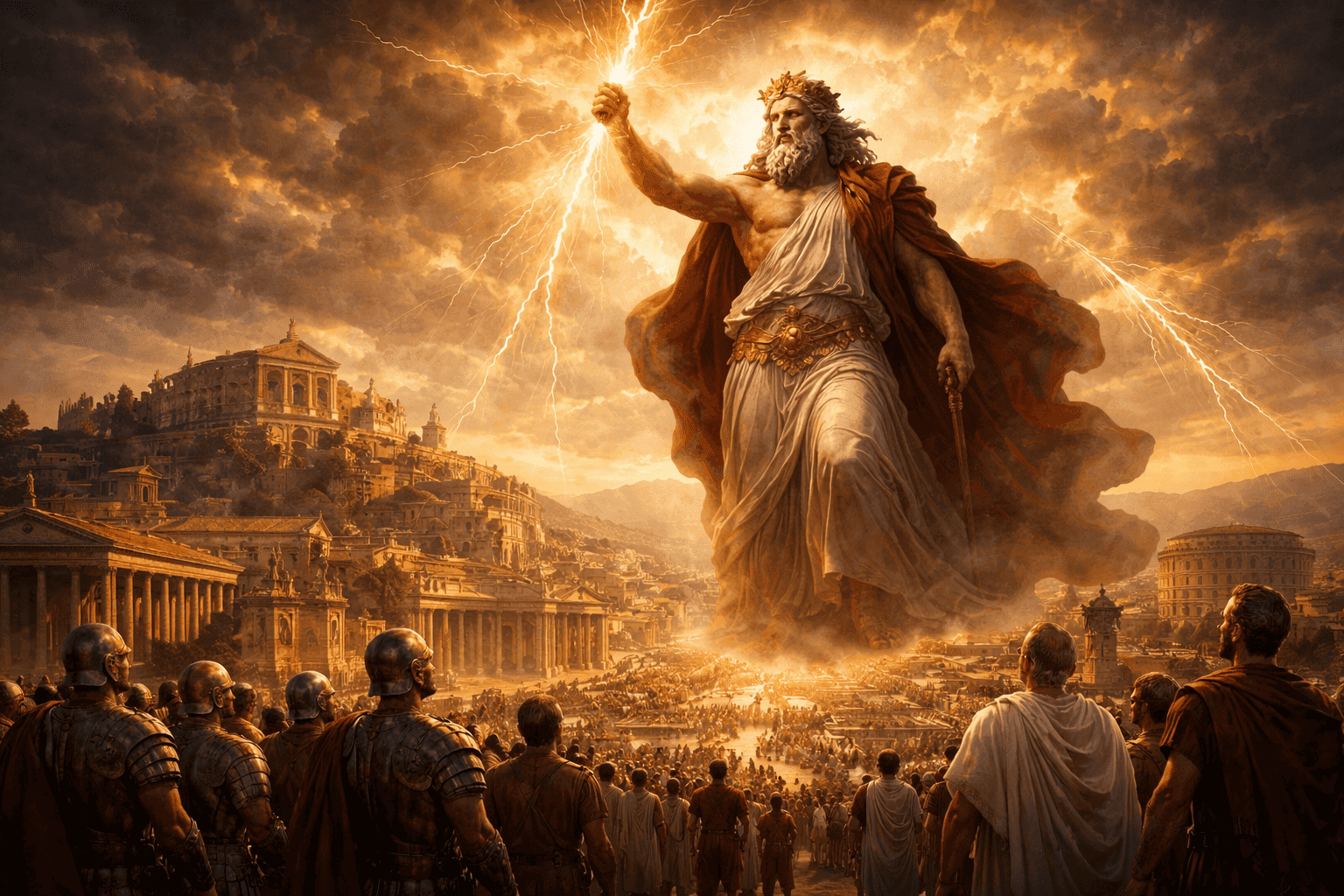
Discover why Jupiter was central to Roman religion, law, and state power as king of the gods and protector of Rome.
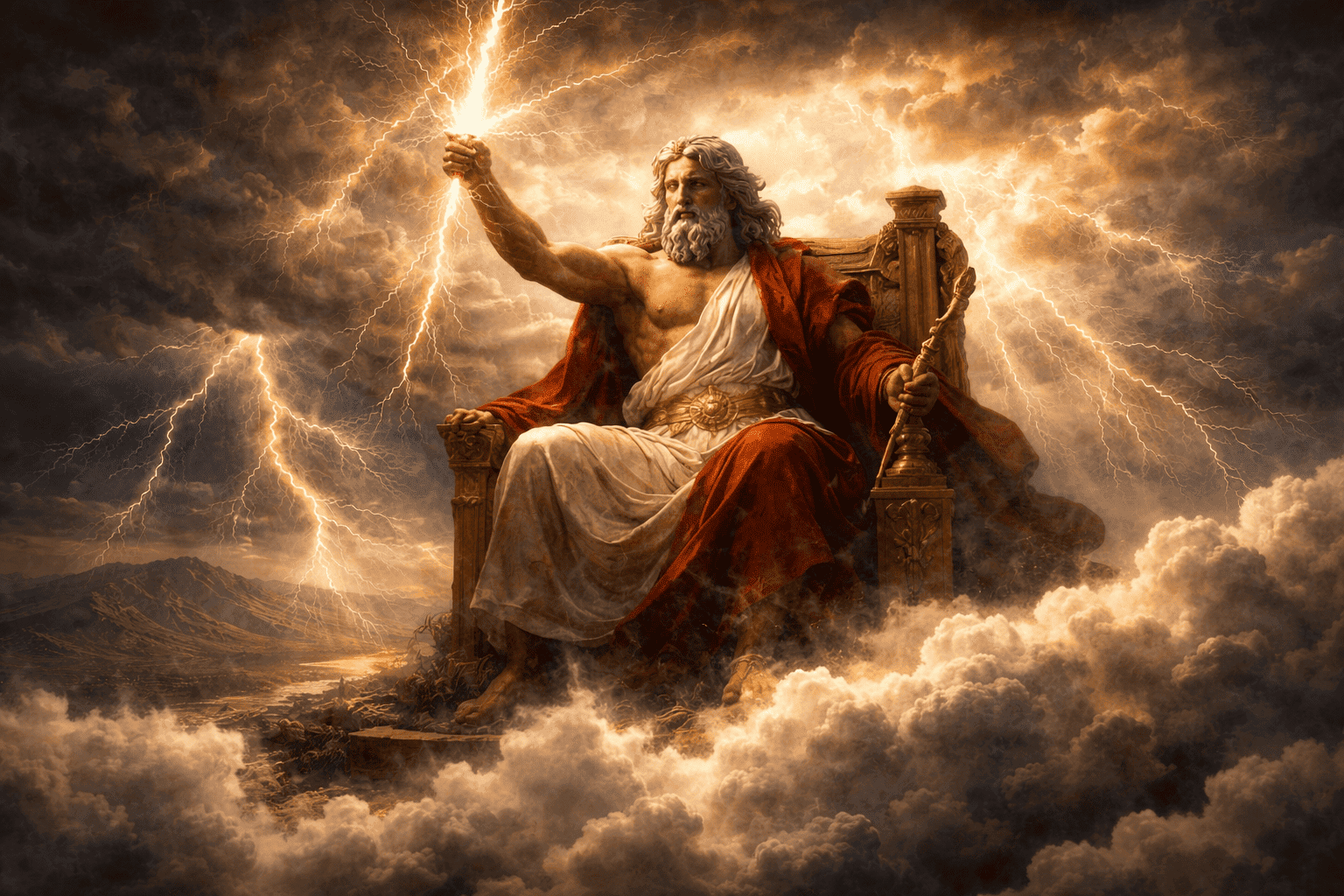
Discover what Jupiter is the god of in Roman mythology, including his roles in sky, thunder, law, and authority.

Learn who Jupiter is in Roman mythology, his role as king of the gods, and why he was central to Roman religion and power.
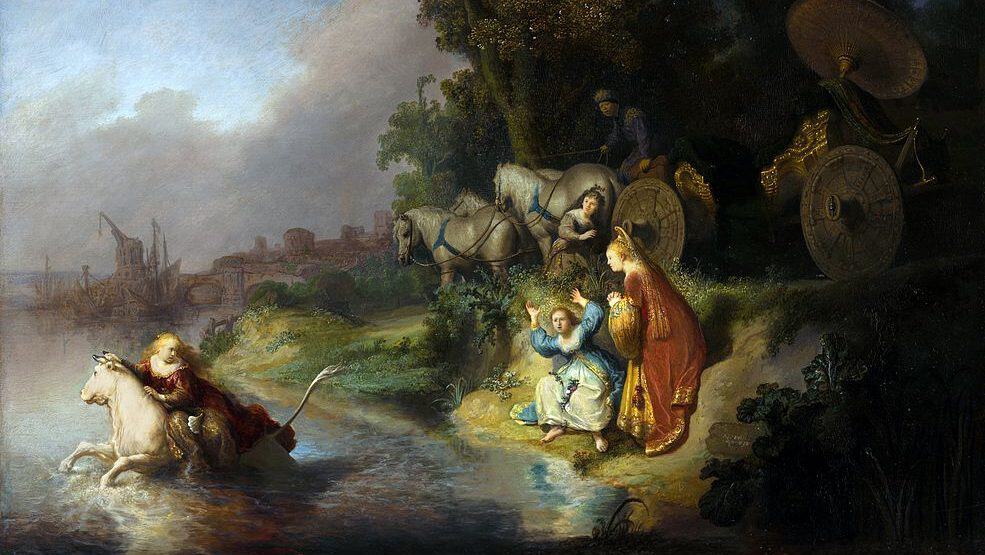
Jupiter transforms into a white bull and carries Europa across the sea to Crete, where beauty becomes destiny and the world is reborn through love.