Bacchus: Roman God of Wine, Ecstasy, and the Bacchanalia
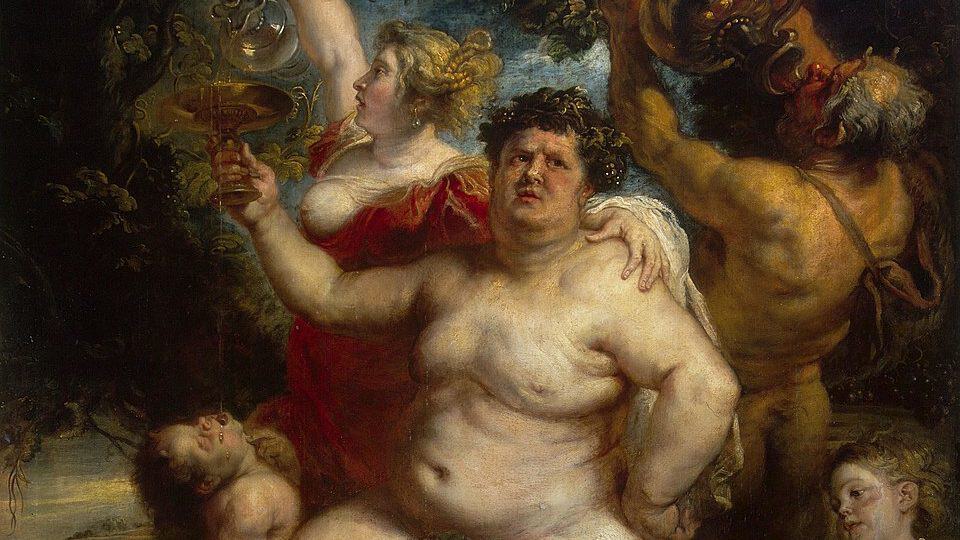
In 186 BCE, the Roman Senate banned the Bacchanalia and executed thousands of its participants. No other god’s worship was treated as a criminal conspiracy.
Gods, Goddesses, and Ancient Legends
 Theo Mercer
In 186 BCE, the Roman Senate banned the Bacchanalia and executed thousands of its participants. No other god’s worship was treated as a criminal conspiracy.
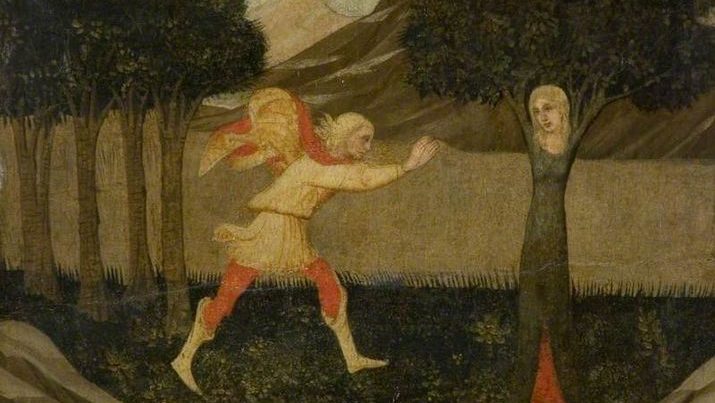
Apollo pursued Daphne through the forests of Thessaly and was gaining ground when she called out to her father. She became a laurel tree. Apollo declared it sacred — and every laurel crown in Rome carried that story in its leaves ever after.
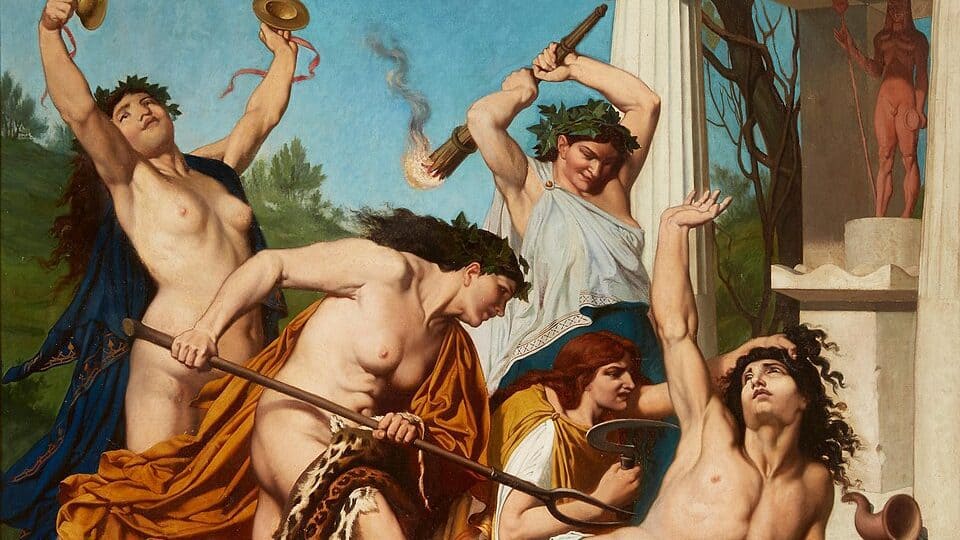
Orpheus survived the underworld but not the Maenads. His death is the part of the myth people forget — and the part that explains what the Romans actually believed about the power of art.
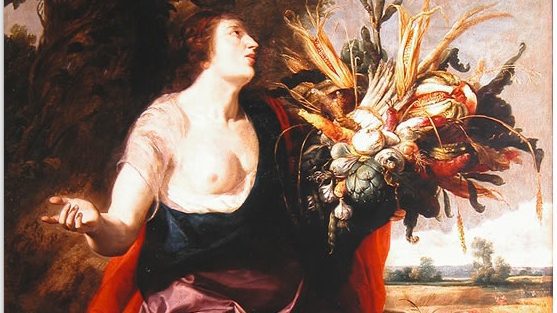
The word “cereal” comes from her name. So does one of the most politically charged temples in Roman history.
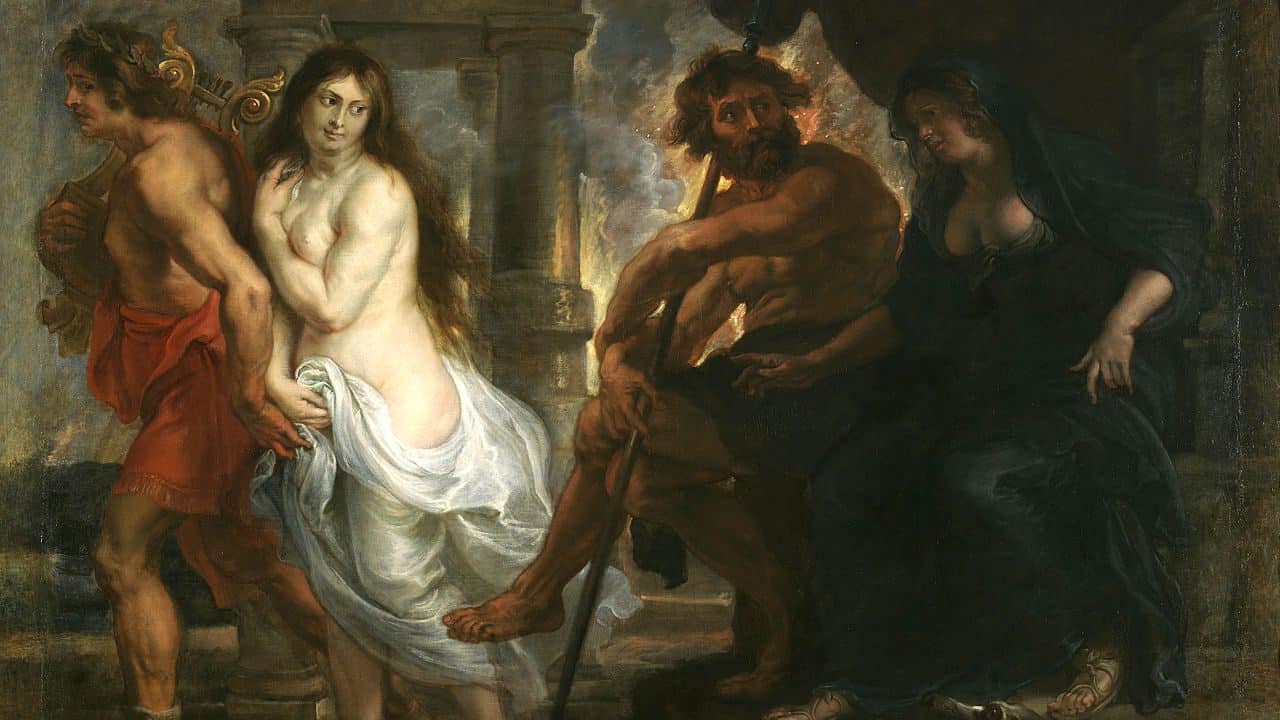
Orpheus walked into the underworld with a lyre and talked his way past Cerberus, past the Furies, past Pluto himself. He got everything he asked for. Then he looked back.
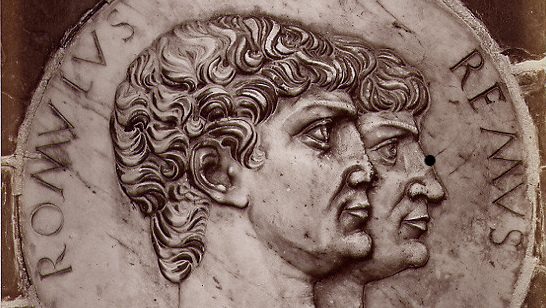
Romulus killed his brother to found Rome, abducted the Sabine women to populate it, ruled for thirty-seven years, and then vanished in a storm. The Romans deified him. They also suspected the senators had torn him apart.
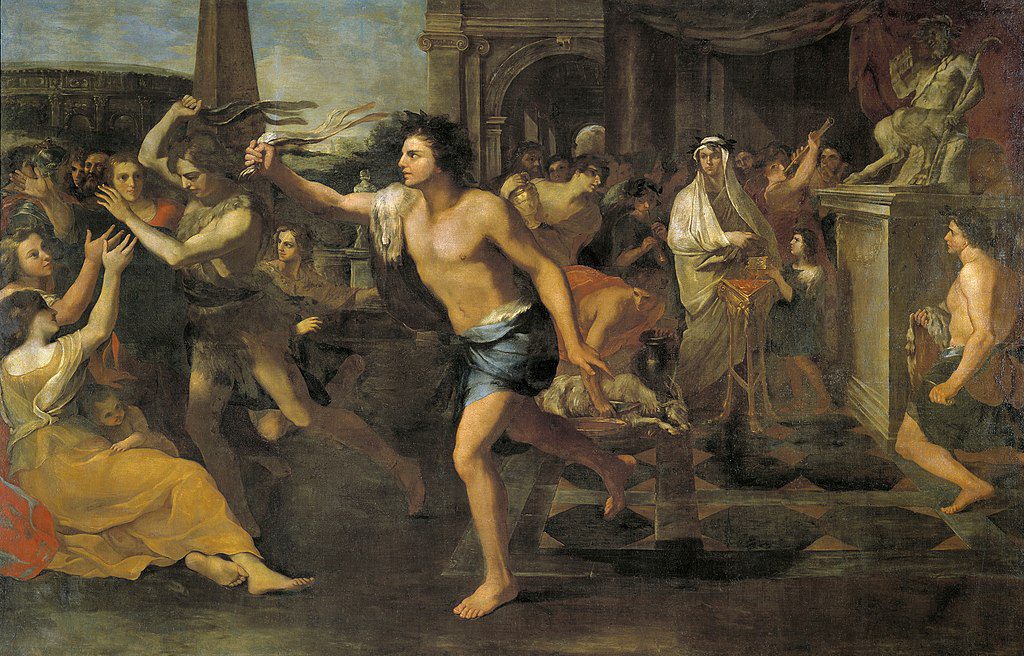
Discover the Lupercalia, Rome’s ancient February festival celebrating fertility, purification, and the primal joy of life.
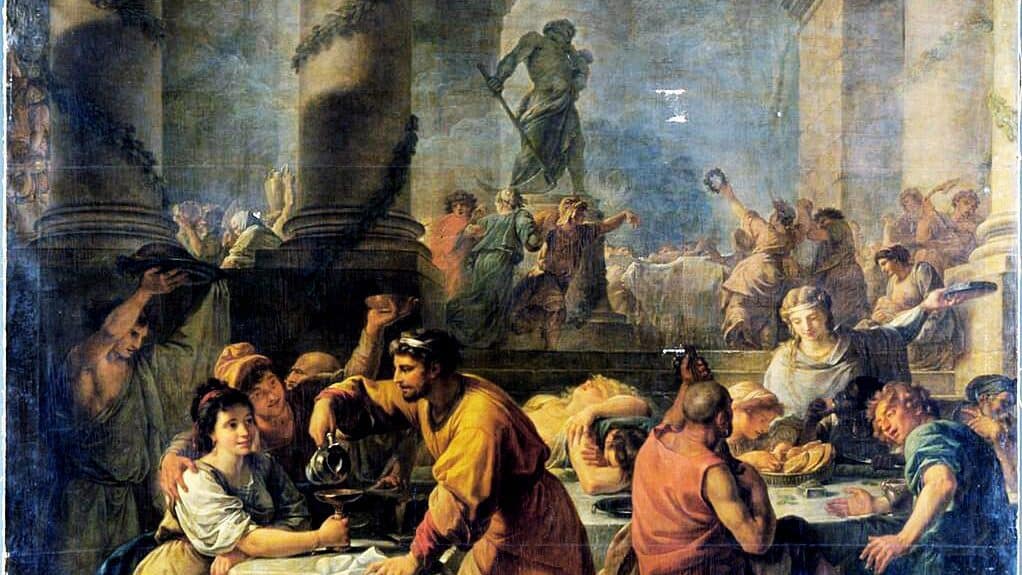
For seven days each December, Rome’s courts closed, schools emptied, and masters served their slaves at dinner. The Saturnalia was the most beloved festival in the Roman year — and one of the most sophisticated acts of theological inversion in the ancient world.
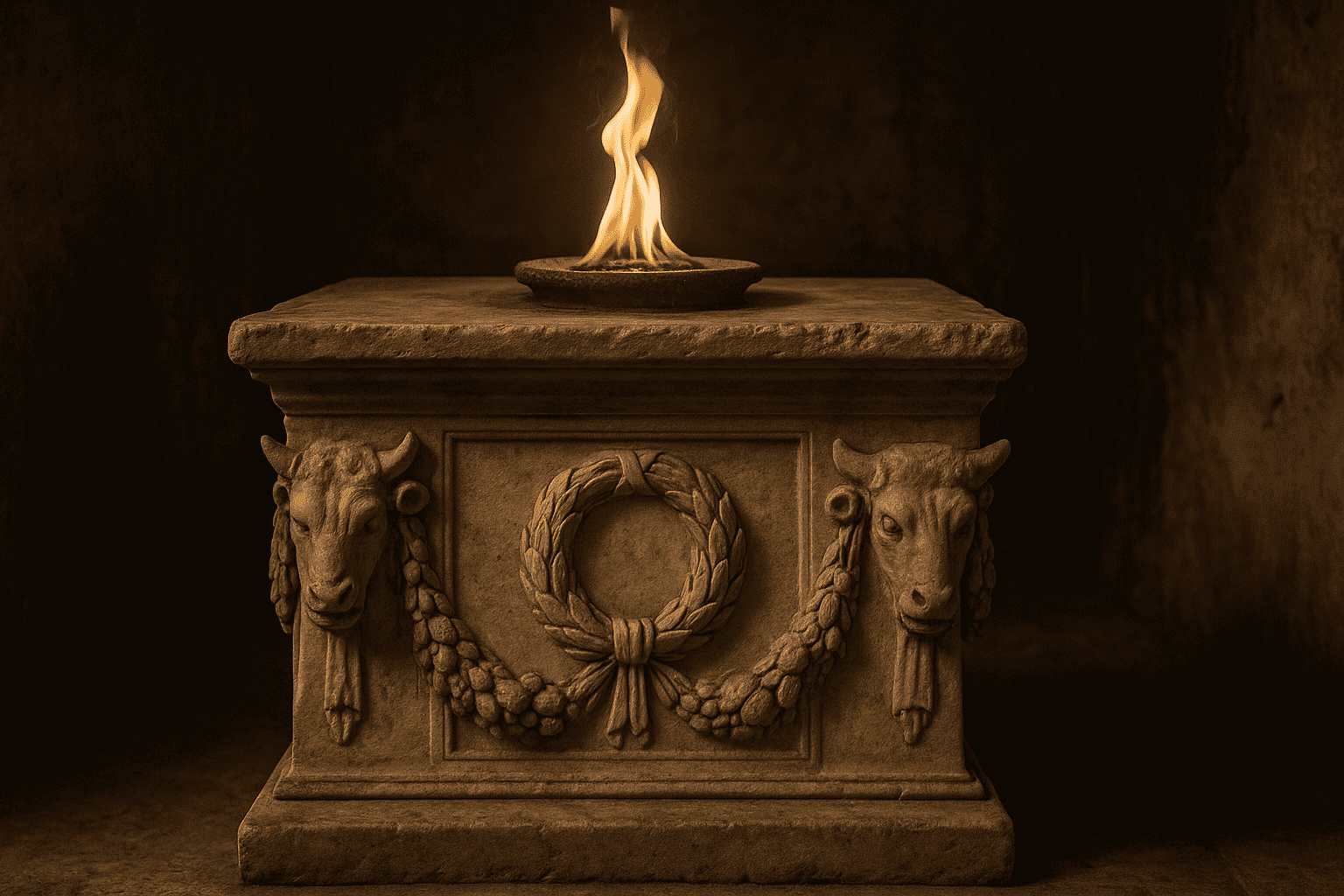
Every Roman god had a temple. What they actually needed was an altar. The temple was a house; the altar was where the conversation happened.
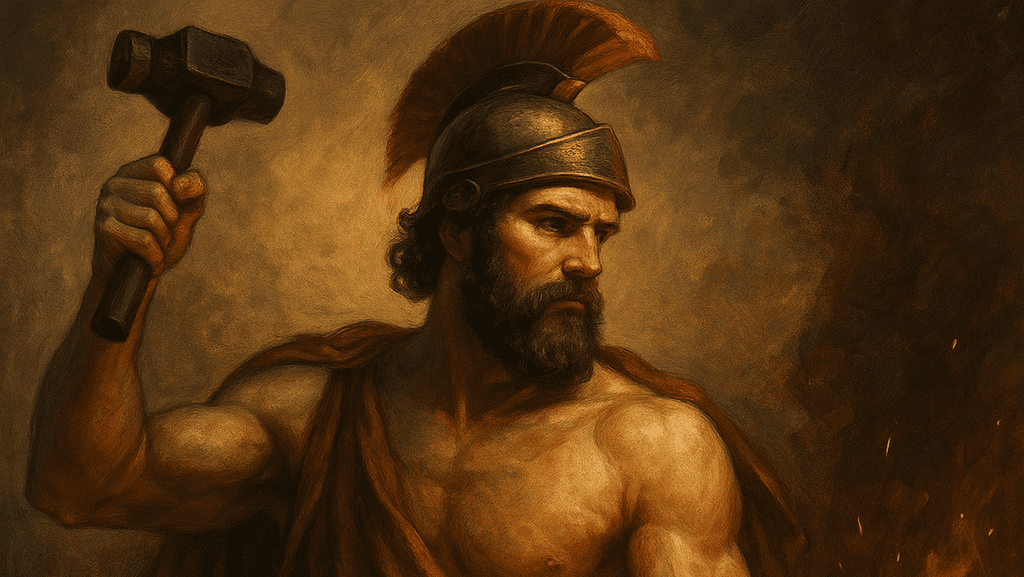
His festival was held in August, at the height of summer’s fire risk, and the main ritual involved throwing live fish into a bonfire. The fish died so that people did not have to.