Minerva’s Owl: Why the Bird of Night Became the Symbol of Wisdom
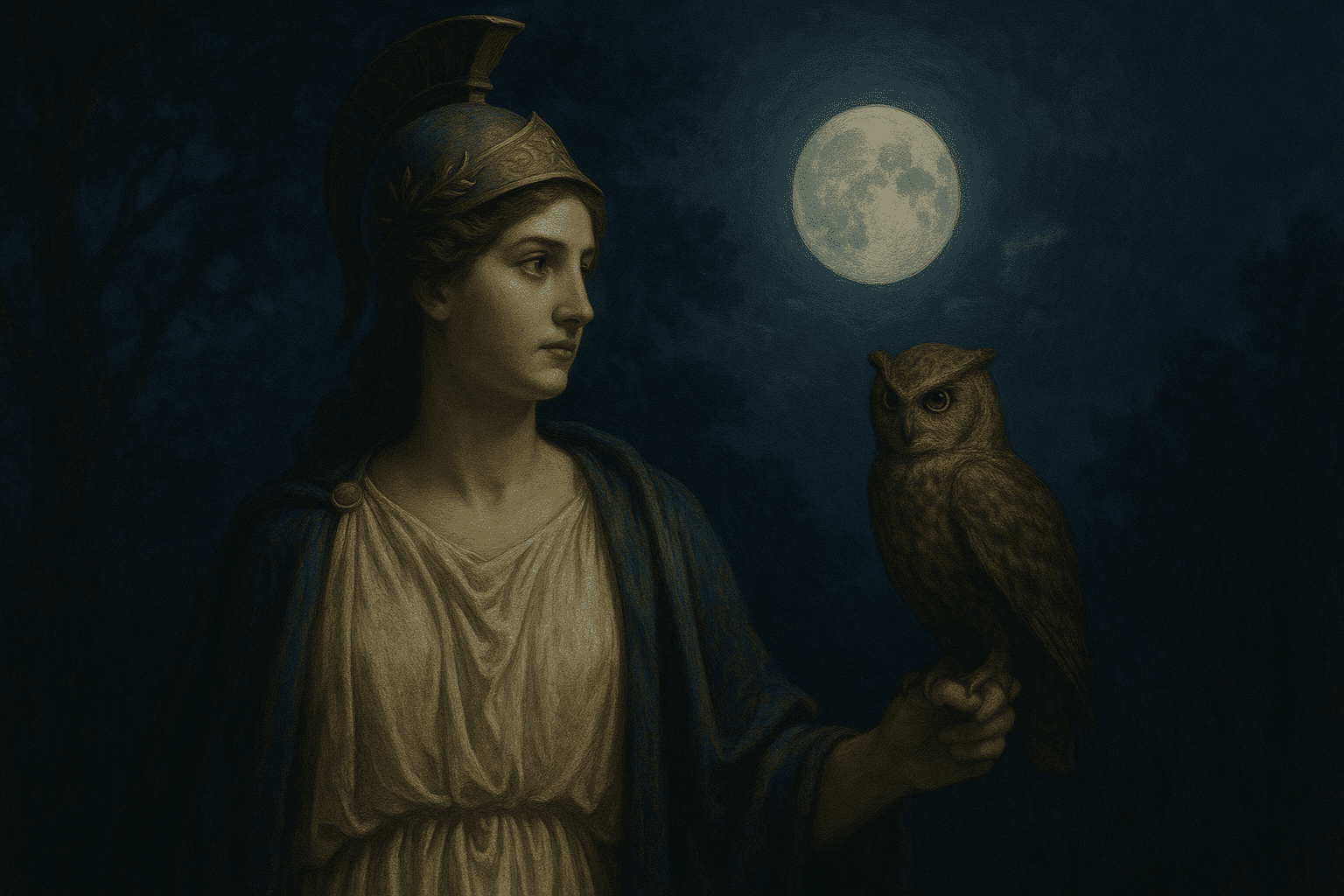
Minerva, the Roman goddess of wisdom, stands beneath a moonlit sky with an owl perched on her hand, wearing a white tunic, blue cloak, and Corinthian helmet.

Minerva’s owl is not a generic symbol of wisdom. It is a specific bird — the little owl, Athena noctua, still named for the goddess — chosen for a precise reason that the Romans understood completely and that most modern readers have forgotten.
Diana’s Torch: Light, the Hunt, and the Boundary Between Worlds

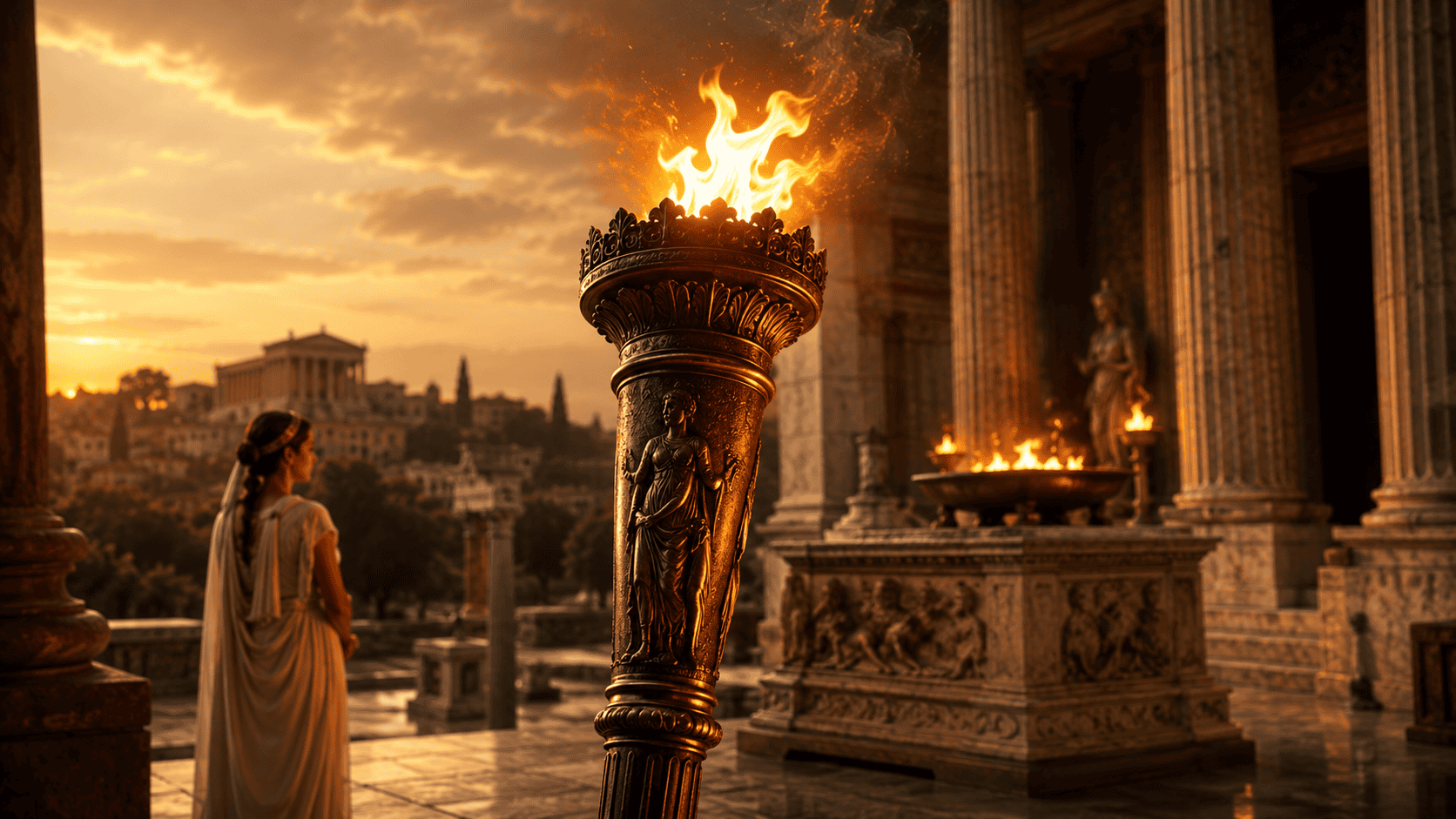
Burning Roman torch beside a temple altar at sunset, with sacred flames, marble columns, and ancient Rome in the background.

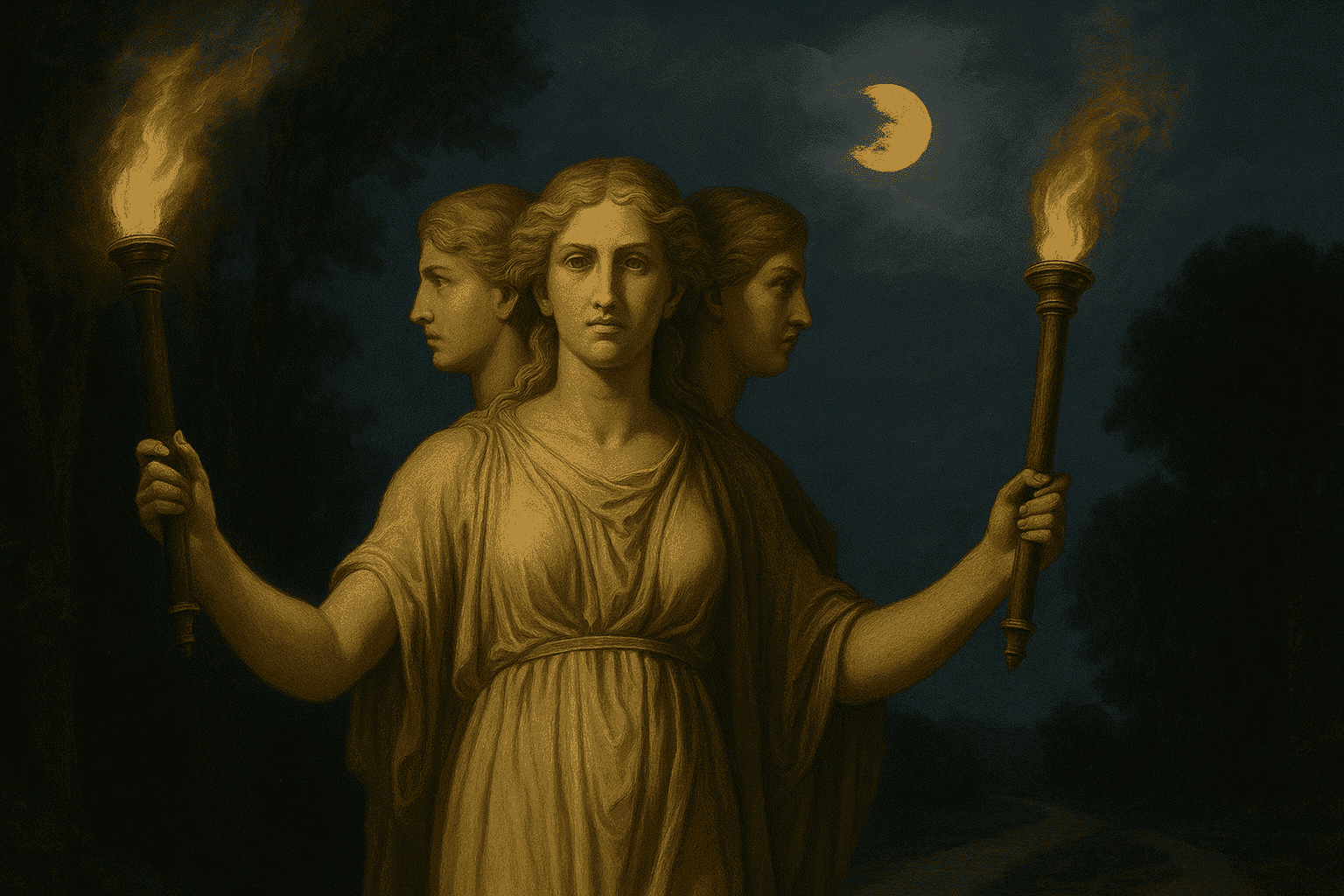
Diana’s sanctuary at Nemi was served by a priest who held his position by killing his predecessor and keeping it by being ready to kill his successor at any moment. That institution — the King of the Wood, living armed in the grove, sleeping with his sword — tells you more about Diana’s torch than any amount of moonlight symbolism.

Pietas: The Roman Virtue of Duty, Devotion, and Obligation

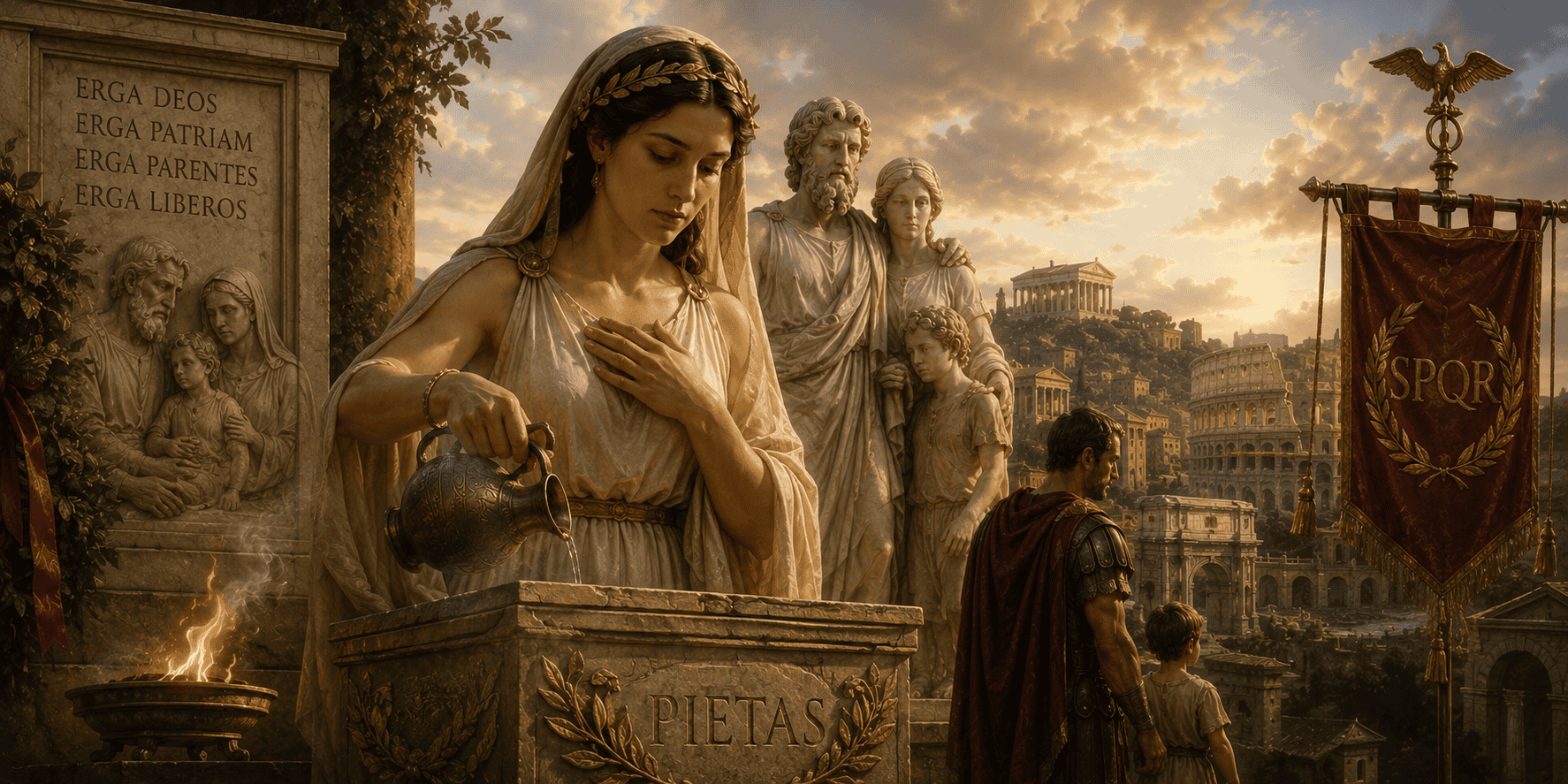
Pietas pours a libation at a Roman altar with sacred fire, family figures, Roman standards, and ancient Rome in the background.

Pietas was the most Roman of virtues — not piety in the modern sense, but the whole network of obligations a person owed to the gods, to their family, and to the state. Aeneas carried his father out of Troy on his back. That was pietas.

Neptune’s Trident: The Weapon That Shook the World

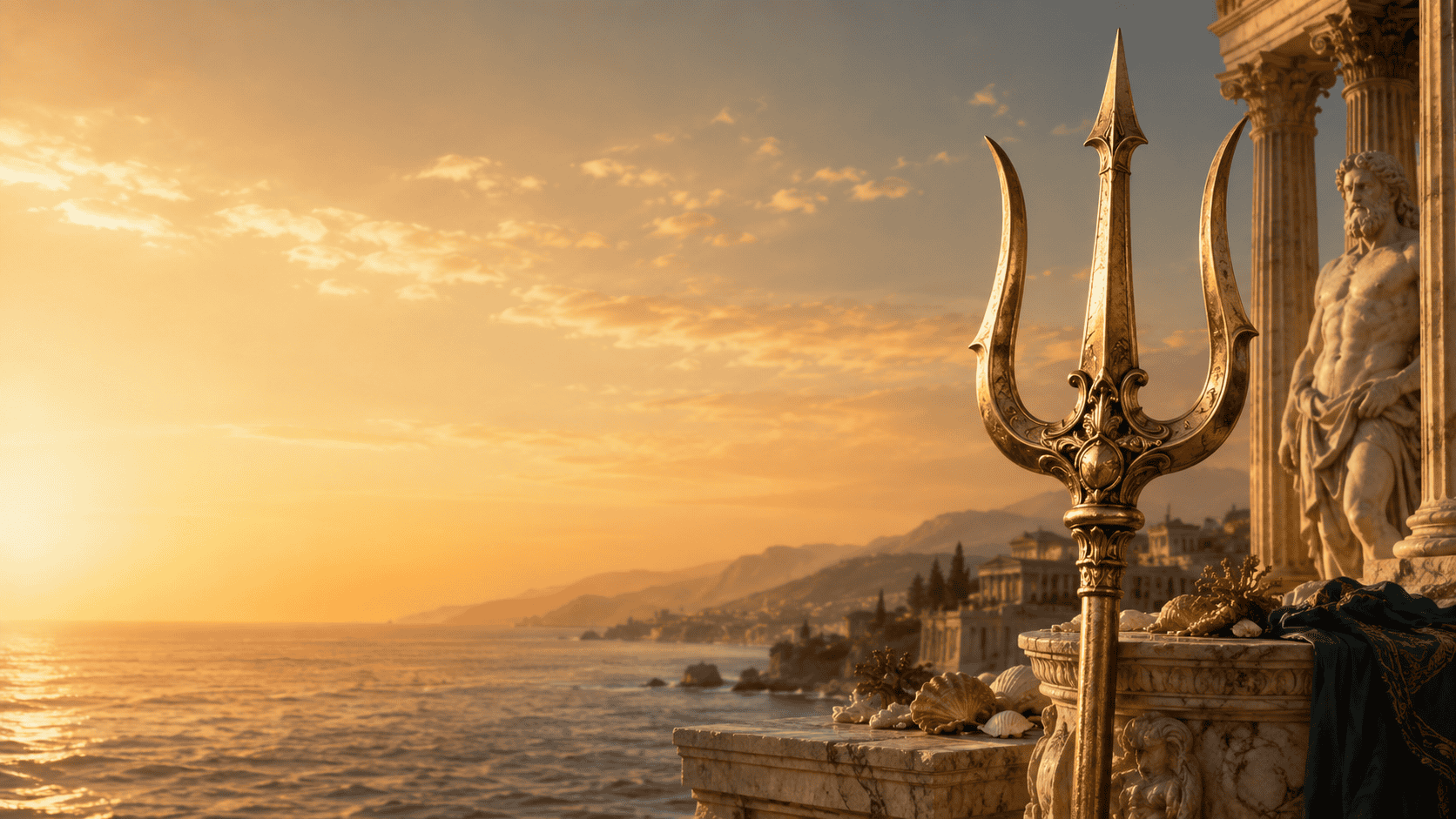
Golden trident on a Roman seaside temple terrace at sunset, with ocean waves, shells, marble columns, and a statue of Neptune.

The trident was forged by the Cyclopes alongside Jupiter’s thunderbolt and Pluto’s helmet of invisibility. It struck the Acropolis in a contest Neptune lost to Minerva. It was carried by gladiators in the Roman arena. And it eventually became the weapon of British imperial sea power. The history of this single object spans three thousand years.