Foundations of Roman Mythology
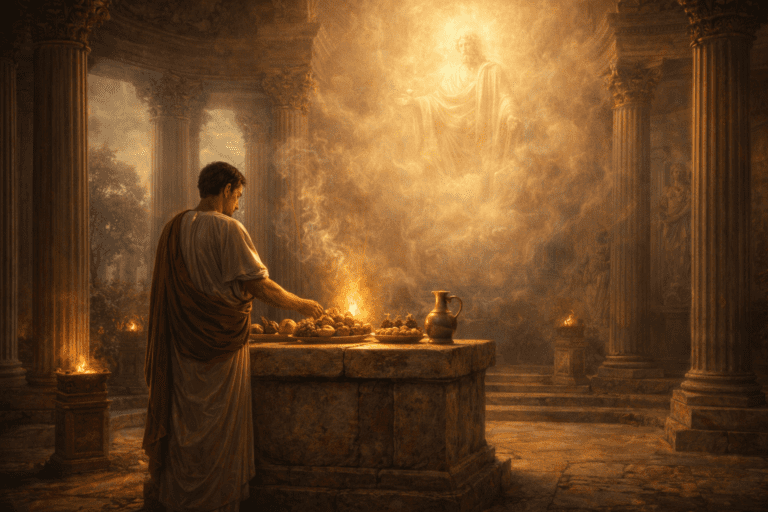
Do ut Des: The Roman System of Divine Exchange
Learn the meaning of do ut des and how Romans used ritual and offerings to maintain a reciprocal relationship with the gods.

Foundations of Roman Mythology explores the core ideas, structures, and origins that shaped Roman belief. This category examines how the mythological system was formed, how it evolved through contact with other cultures, and how the Romans understood the relationship between gods, humans, and the world around them.
By looking beyond individual stories and deities, these articles reveal the underlying framework that gave Roman mythology its depth, coherence, and lasting influence.
Foundations of Roman Mythology
Learn the meaning of do ut des and how Romans used ritual and offerings to maintain a reciprocal relationship with the gods.
Foundations of Roman Mythology
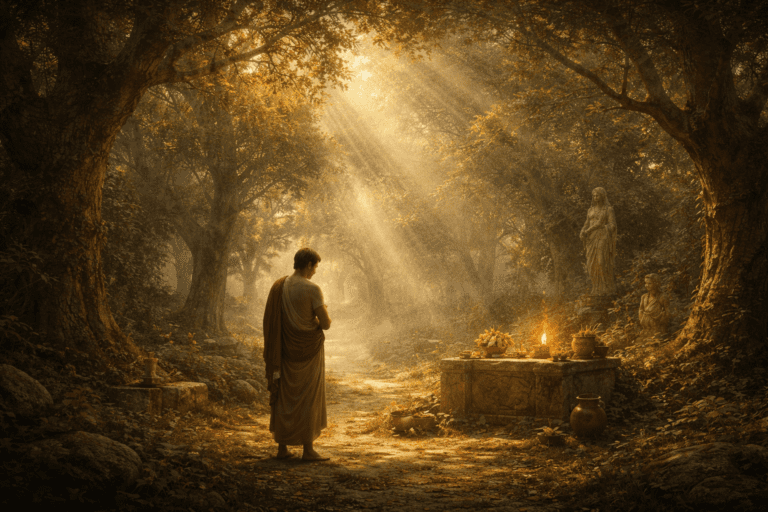
Learn what numen means in Roman religion and how divine presence shaped belief, ritual, and everyday life in ancient Rome.
Foundations of Roman Mythology
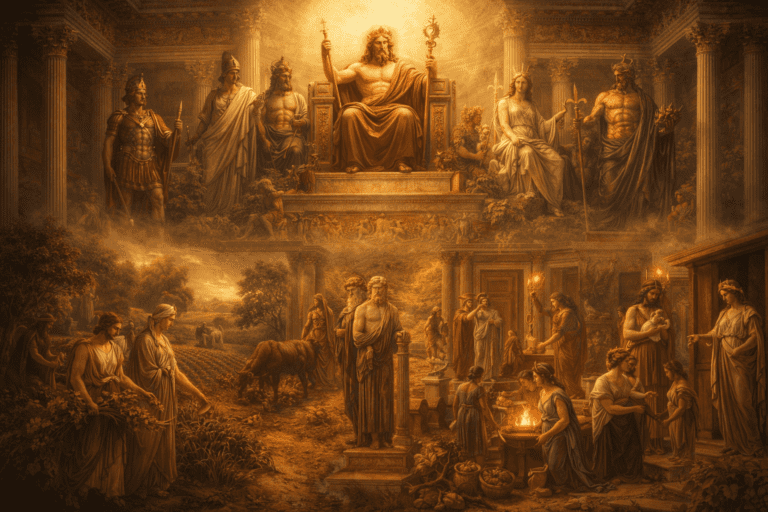
Learn the difference between major and minor gods in Roman religion and how they shaped daily life and the structure of the pantheon.
Foundations of Roman Mythology
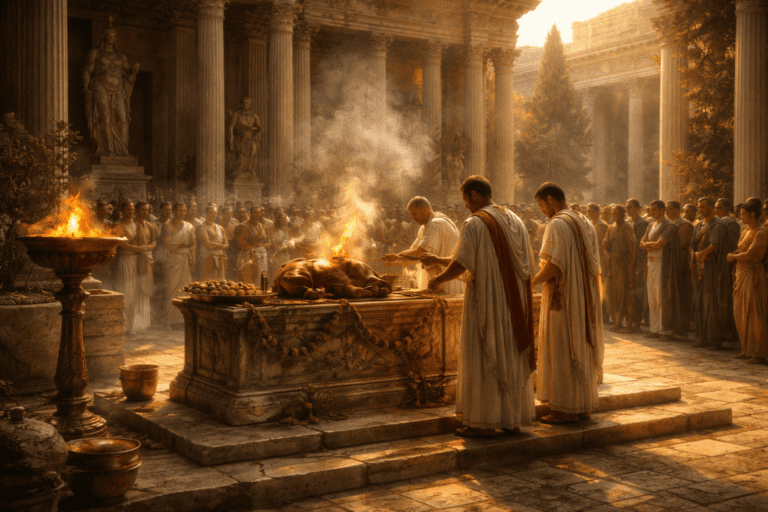
Learn how Roman religion focused on ritual over belief, using ceremonies and offerings to maintain balance with the gods.
Foundations of Roman Mythology
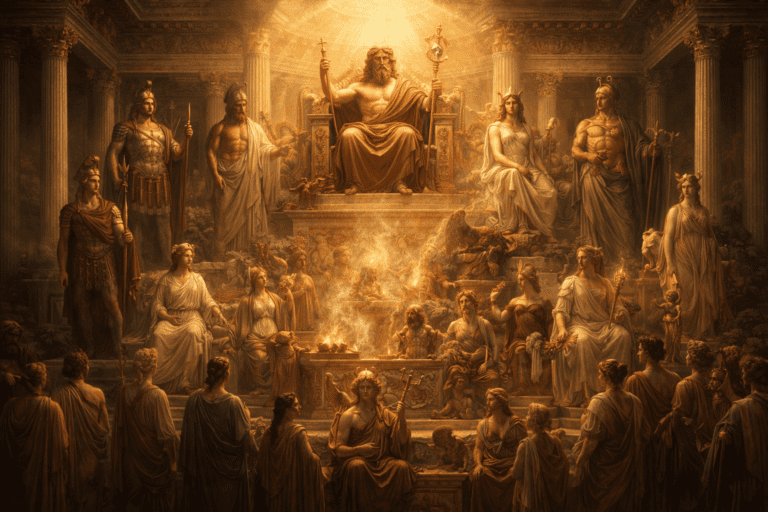
The Roman pantheon was a structured system of major gods, minor deities, and personifications organized by hierarchy and function.
Foundations of Roman Mythology
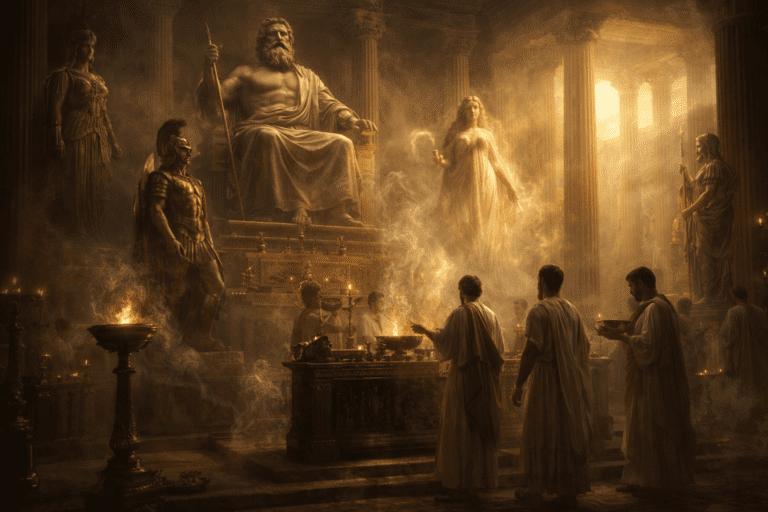
Discover what Roman mythology is, how it works, its gods, beliefs, and how it shaped Roman culture and identity.
Foundations of Roman Mythology
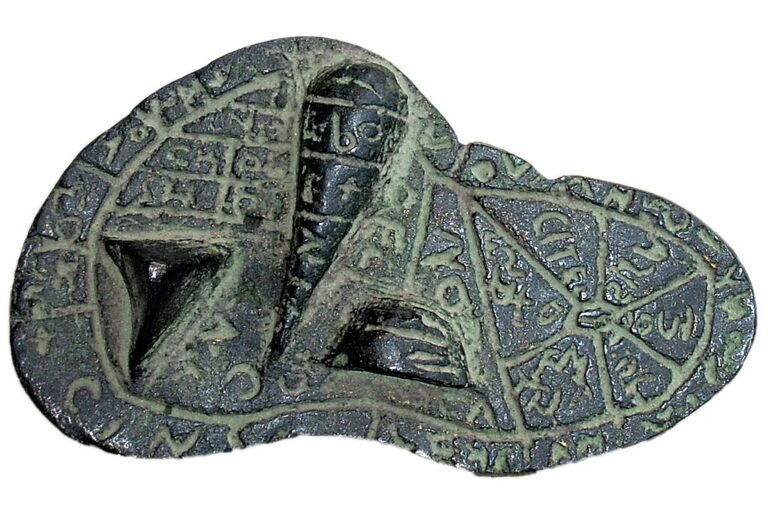
Explore how Etruscan religion shaped Roman mythology through divination, fate, household spirits, and sacred ritual long before Greek influence.
Foundations of Roman Mythology
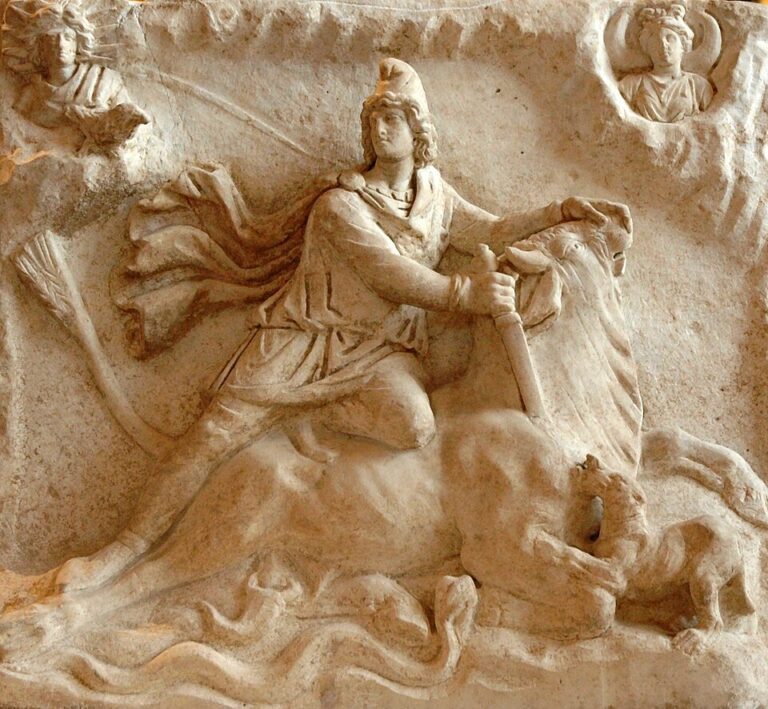
A deep exploration of how Roman mythology absorbed Eastern gods, rituals, and cosmology through syncretism, empire, and cultural exchange.
Foundations of Roman Mythology
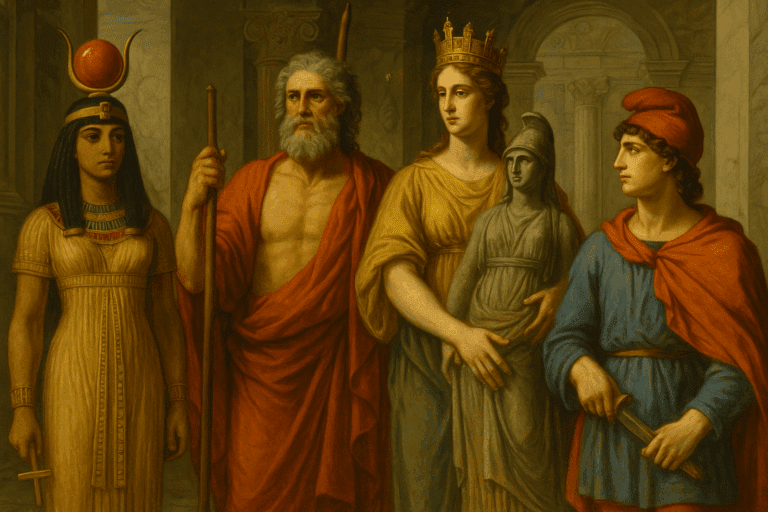
How Rome absorbed foreign gods from Greece, Egypt, Persia, and beyond to build a diverse and adaptable pantheon.